Back To Blog


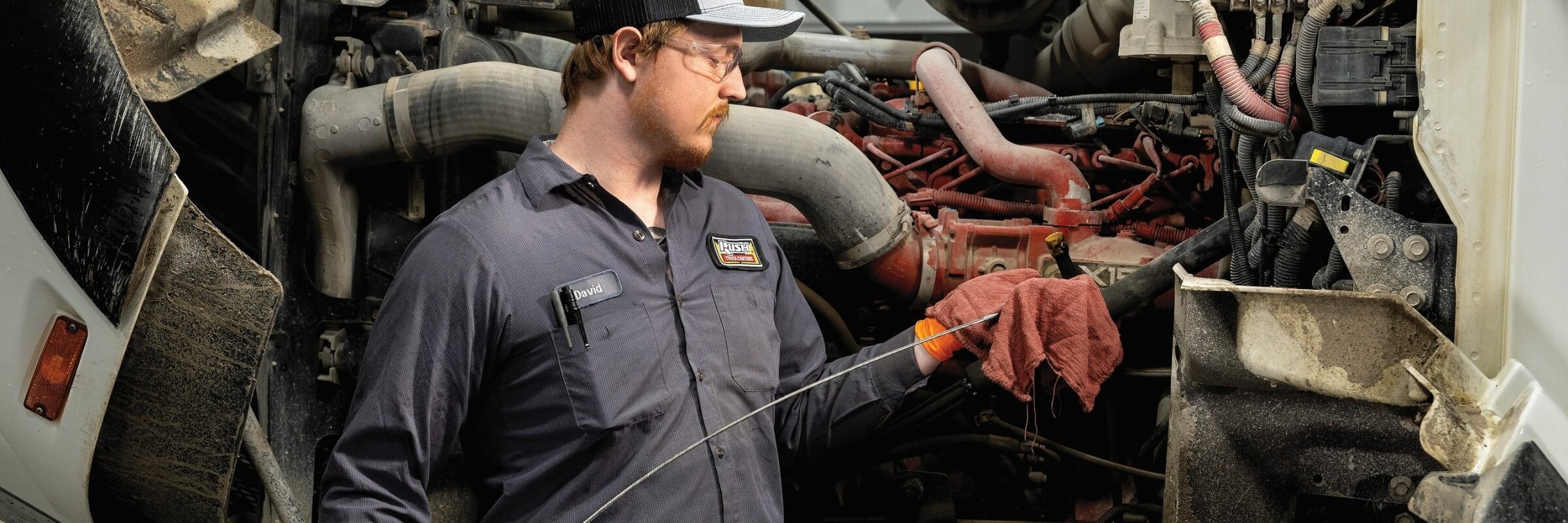
Key Takeaways
- Multi-point inspections help technicians identify hidden issues early, catching small problems — like leaks, wear or electrical faults — before they turn into costly breakdowns or downtime.
- A structured, system-by-system inspection approach improves diagnostic accuracy, allowing technicians to connect symptoms across components (brakes, suspension, electrical, etc.) and pinpoint root causes faster.
- Routine inspections reduce repair costs and improve uptime, giving fleets better visibility into vehicle condition and enabling proactive maintenance planning instead of reactive repairs.
Breakdowns don’t usually happen without warning. In most cases, the signs are there early on – they are just easy to miss if you’re not actively looking.
A multi-point inspection gives technicians a structured way to check your truck from top to bottom. Instead of guessing, you get a clear picture of what’s working, what’s wearing down and what needs attention.
For truck drivers and fleet managers, this insight matters. Every single hour of downtime affects schedules, costs and customer commitments. A well-timed inspection can help you avoid those disruptions and keep your operation running smoothly.
What Is a Multi-Point Inspection?
A multi-point inspection is a detailed check of your truck’s most important systems. It gives technicians a broad picture of your truck’s condition and highlights areas that need closer attention.
Instead of focusing on one issue, this type of inspection looks at the entire truck. Technicians follow a structured checklist that can include dozens or even hundreds of inspection points.
Think of it as a routine health check for your truck. It helps catch small problems early, before they turn into costly repairs or unexpected downtime. This means fewer surprises on the road and better control over maintenance planning.
Why Are Multi-Point Inspections Important for Commercial Trucks?
Every mile driven puts stress on your truck. Over time, wear builds up across key systems, like brakes, tires and engine components, and without regular inspections, small issues can go unnoticed until they cause a breakdown.
Multi-point inspections help shift maintenance from reactive to proactive. Instead of fixing problems after a component fails, you can address them early.
Here’s why that matters:
- Reduced Downtime: Catching worn parts early helps avoid roadside breakdowns and missed deliveries.
- Lower Repair Costs: Fixing a minor issue is always cheaper than replacing a failed component.
- Improved Safety: Inspections help identify risks with brakes, tires and steering before they become dangerous.
- Plan Maintenance Better: You can schedule repairs around your operations instead of reacting to emergencies.
For fleets, it makes it easier to manage budgets, reduce risk and keep trucks moving.
What Is Included in a Multi-Point Inspection?
A multi-point vehicle inspection covers all major systems that affect safety, performance and reliability. The number of inspection points varies by service provider, but the aim is to check every critical component that experiences wear.
Most inspections include the following areas:
Fluids and Filters
Technicians check fluid levels and their condition to keep systems running smoothly. This usually includes:
- Engine oil
- Coolant
- Brake and transmission fluid
- Power steering fluid
- Windshield washer fluid
- Air and cabin filters
Low or contaminated fluids can quickly lead to major engine or system damage if left unchecked.
Tires and Brakes
These are two of the most important safety systems on your truck. Inspections usually cover:
- Tire tread depth
- Tire wear patterns
- Tire pressure
- Visible damage to tires
- Brake pad thickness
- Rotor condition
Even small issues here can impact stopping distance, fuel efficiency and overall safety.
Engine and Under-the-Hood Components
Technicians inspect parts that are exposed to heat and constant use. This includes:
- Checking belts and hoses for cracks or wear
- Inspecting the battery condition and connections
- Looking for signs of leaks or corrosion
Because these components wear gradually over time, routine inspections can help catch issues before they lead to bigger problems.
Undercarriage and Suspension
A thorough inspection also includes areas you cannot easily see:
- Suspension components and shocks
- Exhaust system condition
- Frame and chassis integrity
These checks help identify wear that can affect handling, ride quality and long-term durability.
Lights and Safety Features
Finally, technicians confirm that all safety-related systems are working correctly, including:
- Headlights
- Brake lights
- Signals
- Wipers
- Mirrors
- Horn
This step supports driver safety and can help fleets stay ahead of maintenance issues that may affect compliance.
All together, these checks create a complete snapshot of your truck’s condition. They give you clear insight into what needs attention now and what can wait until your next service interval.
What Issues Can a Multi-Point Vehicle Inspection Identify?
Multi-point inspections are designed to find problems that are easy to miss during daily driving. These are often the same issues that lead to breakdowns if left unchecked.
Because technicians follow a detailed checklist, they can spot early warning signs across multiple systems, making it easier to fix problems before they escalate.
Here are some of the most common issues identified during a multi-point inspection:
- Brake system wear: Worn pads, damaged rotors or air brake leaks can reduce stopping power and create safety risks
- Tire problems: Uneven wear, low tread depth or improper inflation can lead to blowouts and poor fuel efficiency
- Fluid leaks or low levels: Even a slow leak can cause serious engine or transmission damage over time
- Suspension and steering wear: Worn components can affect handling, increase driver fatigue and accelerate tire wear
- Electrical issues: Weak batteries, corroded terminals or faulty wiring can cause unexpected failures
Technicians are trained to look for patterns, not just isolated issues. For example, uneven tire wear might point to an alignment problem rather than just a tire issue.
Catching these issues helps you resolve them early and keeps your truck operating reliably so you can avoid emergency repairs.
How Often Should Commercial Trucks Get a Multi-Point Inspection?
There is no one-size-fits-all schedule. Consistency is what matters most. For shop-based multi-point inspections, timing depends on mileage, duty cycle and operating conditions.
Some fleets schedule them every six to eight weeks, while others tie them to preventive maintenance intervals.
Commercial trucks also require daily pre-trip and post-trip inspections, plus annual inspections under FMCSA guidelines.
However, high-mileage or heavy-duty applications may require more frequent checks. You should consider scheduling inspections more often if your truck:
- Runs long-haul routes with high mileage
- Operates in harsh environments or off-road conditions
- Carries heavy or uneven loads regularly
- Shows signs of wear or performance changes
Regular inspections also pair well with your preventive maintenance schedule. Instead of waiting for a major service interval, you get ongoing insight into your truck’s condition. This approach helps extend the life of your equipment and reduces the risk of unexpected downtime.
Keep Your Truck Moving with a Multi-Point Inspection
Staying ahead of maintenance is one of the most effective ways to protect your truck and your bottom line. Multi-point inspections give you the visibility you need to make smart decisions before problems grow.
At Rush Truck Centers, we offer complimentary 21-point inspections at our service locations across the country. When your vehicle arrives in our shop, we work quickly to identify immediate service needs and provide accurate time and cost estimates.
For more in-depth evaluations, we also provide Xpress PM inspection packages ranging from 46-point to 105-point inspections. These cover all major operating components and help ensure nothing gets overlooked.
Whether you manage a fleet or operate a single truck, our trained technicians are here to help you stay on the road longer and avoid costly surprises.
COME ALONG FOR THE RIDE. Sign up to receive email updates with our latest promotions, blog posts and news from Rush Truck Centers.