Electric Trucks and Vehicles
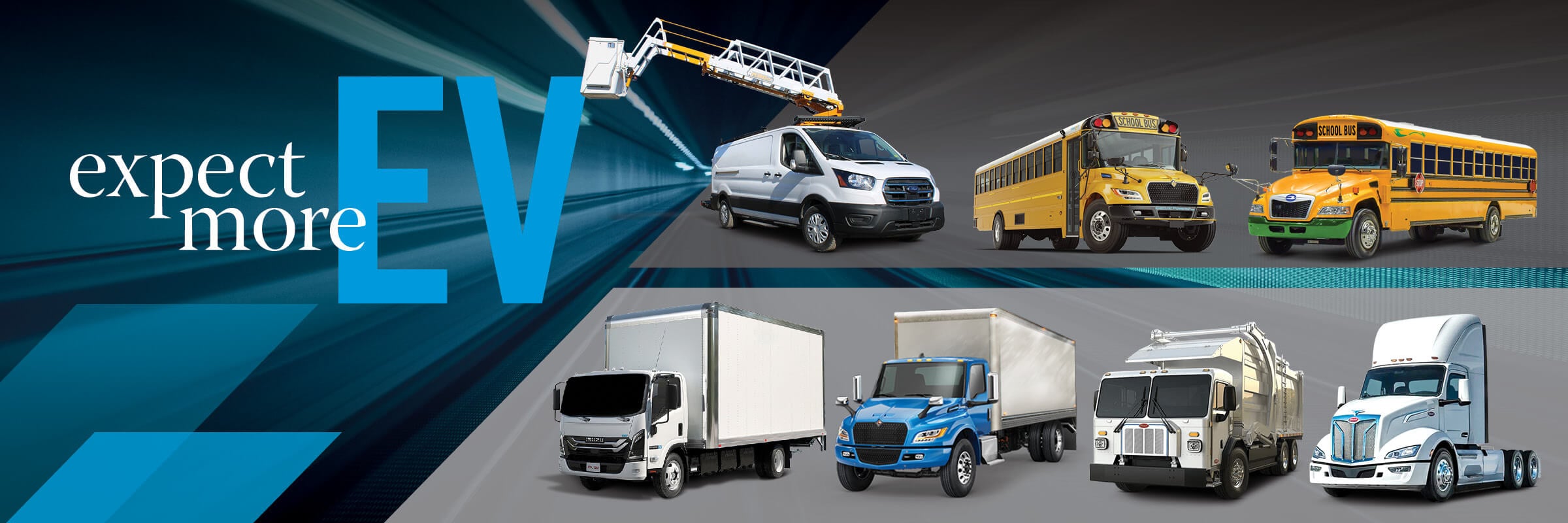
From commercial trucks to cargo vans and school buses, the industry-leading brands we represent offer a variety of electric trucks and vehicles. Not every electric vehicle will work best for every application, but we’re here to help you make the best available choice for your business.
View Inventory Click here to view electric vehicle inventory
Peterbilt Electric Trucks
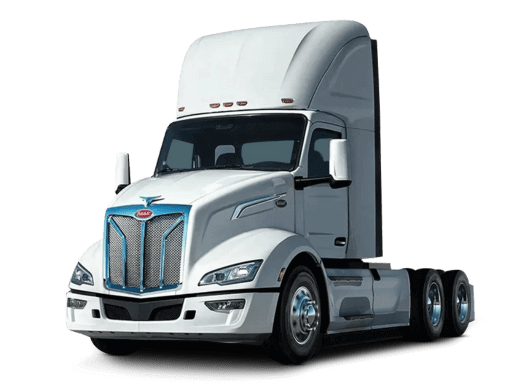
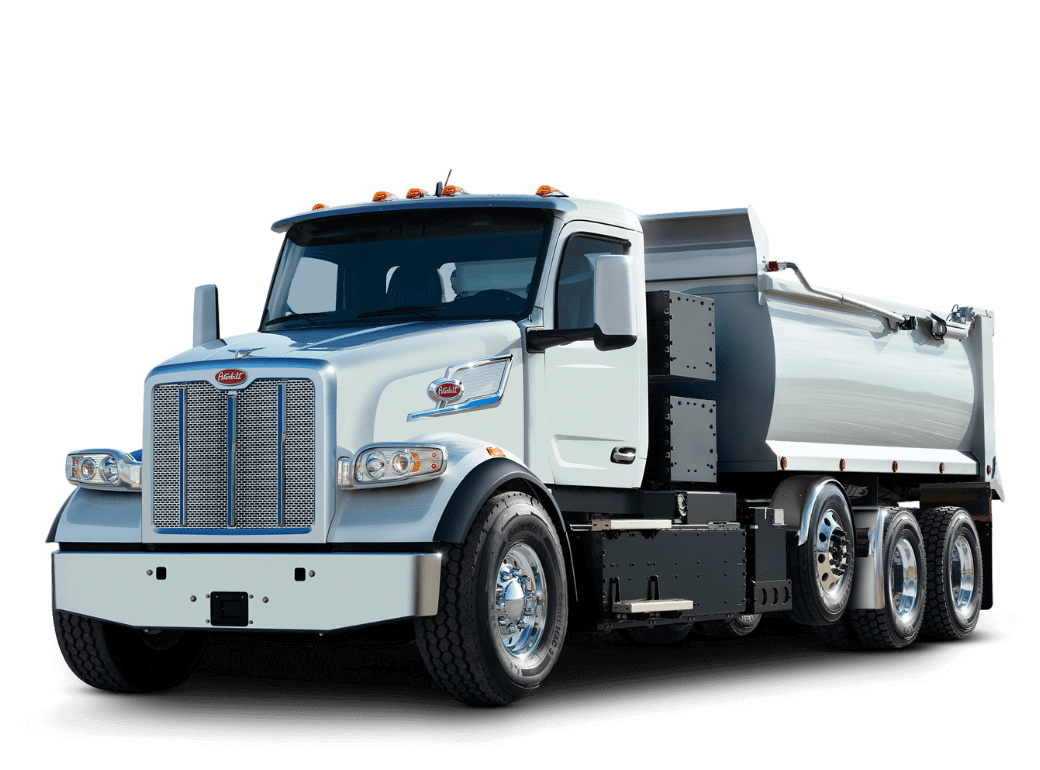
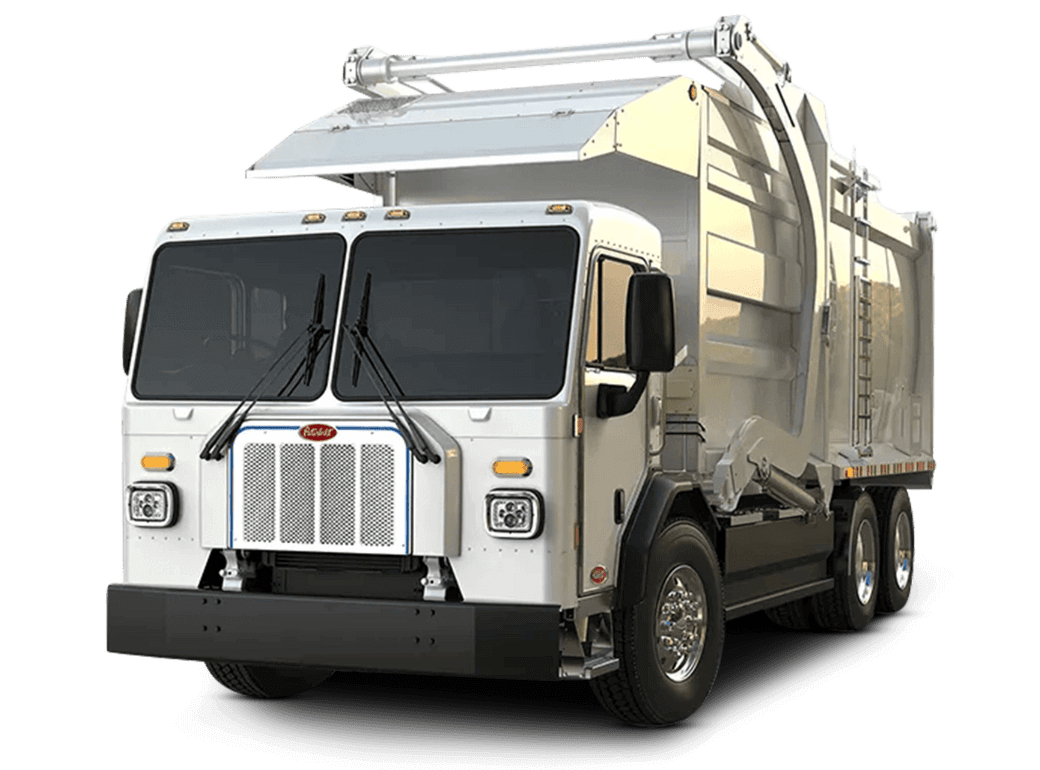
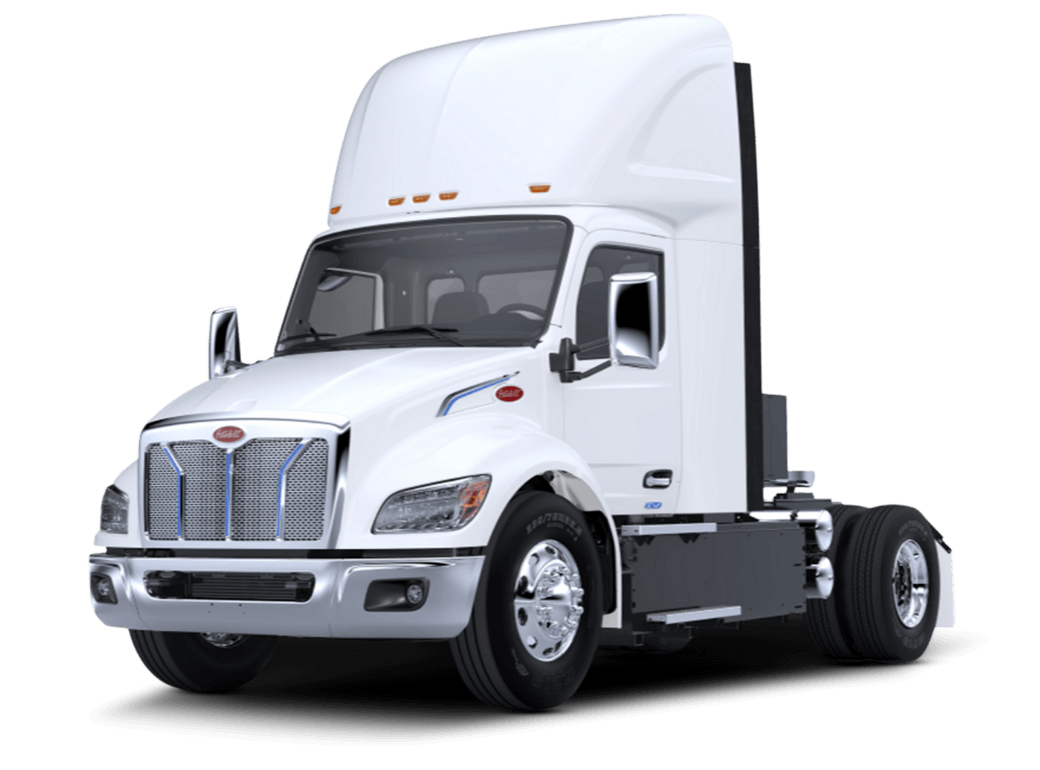
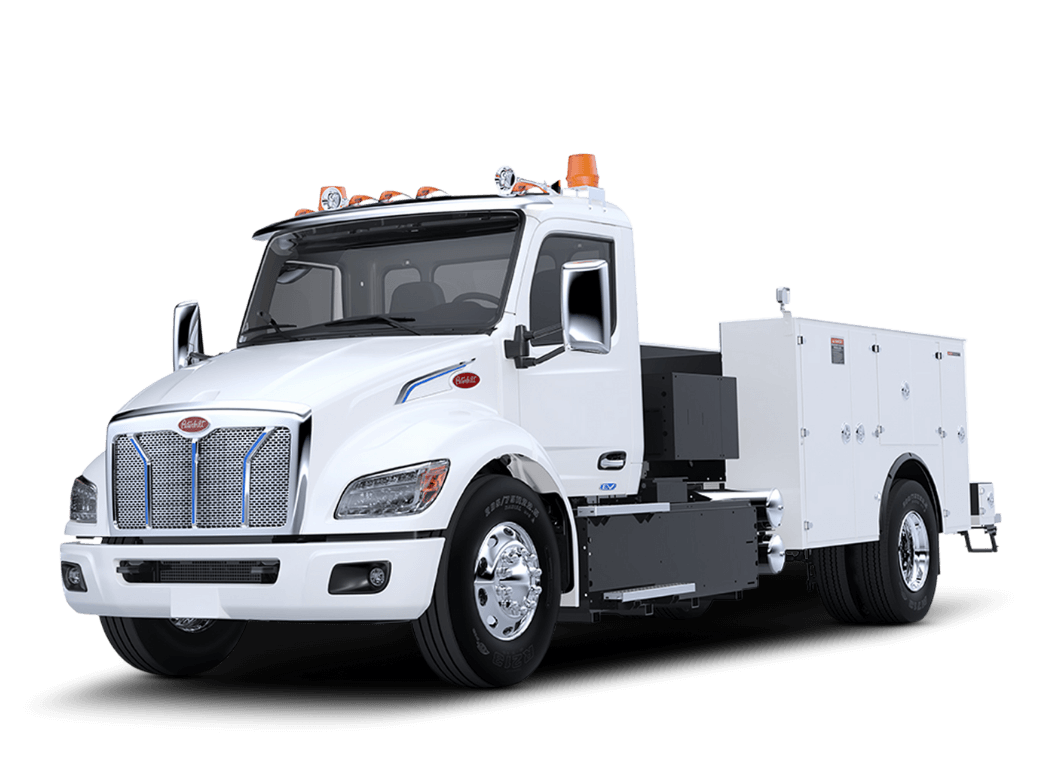
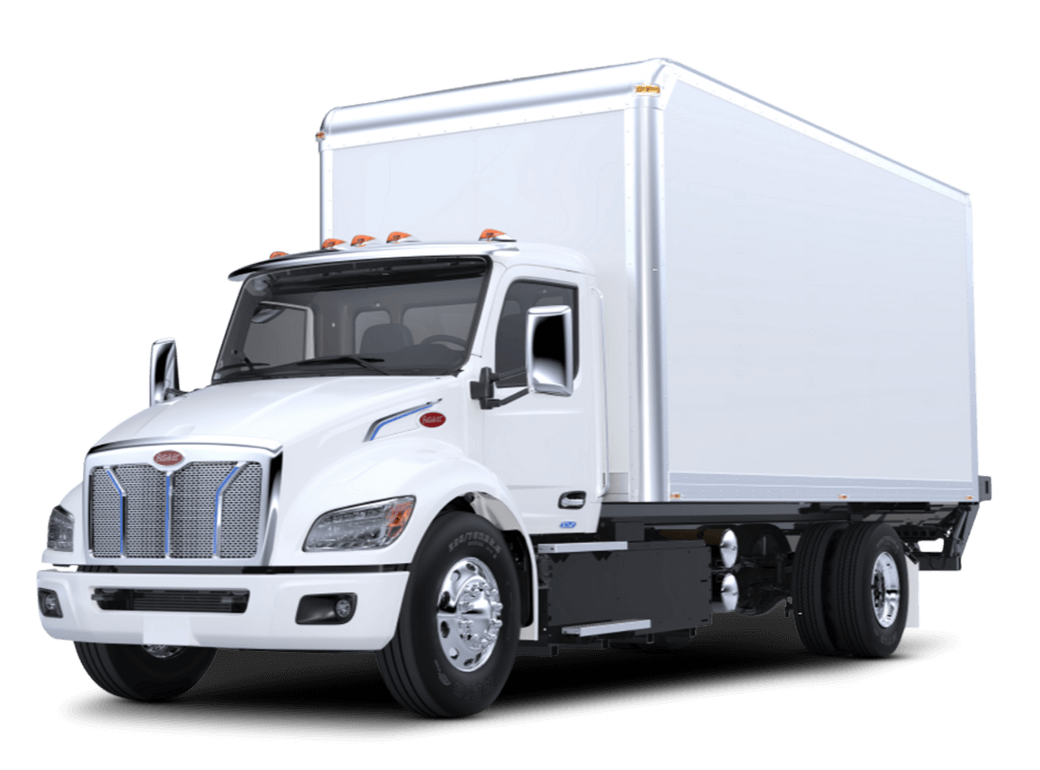
Peterbilt is leading the charge in the electric truck market. The Model 579EV, 567EV, 520EV, 548EV, 537EV and 536EV combine the reliability and durability Peterbilt is known for with clean, efficient operation that delivers lower emissions and less environmental impact.
International Electric Trucks
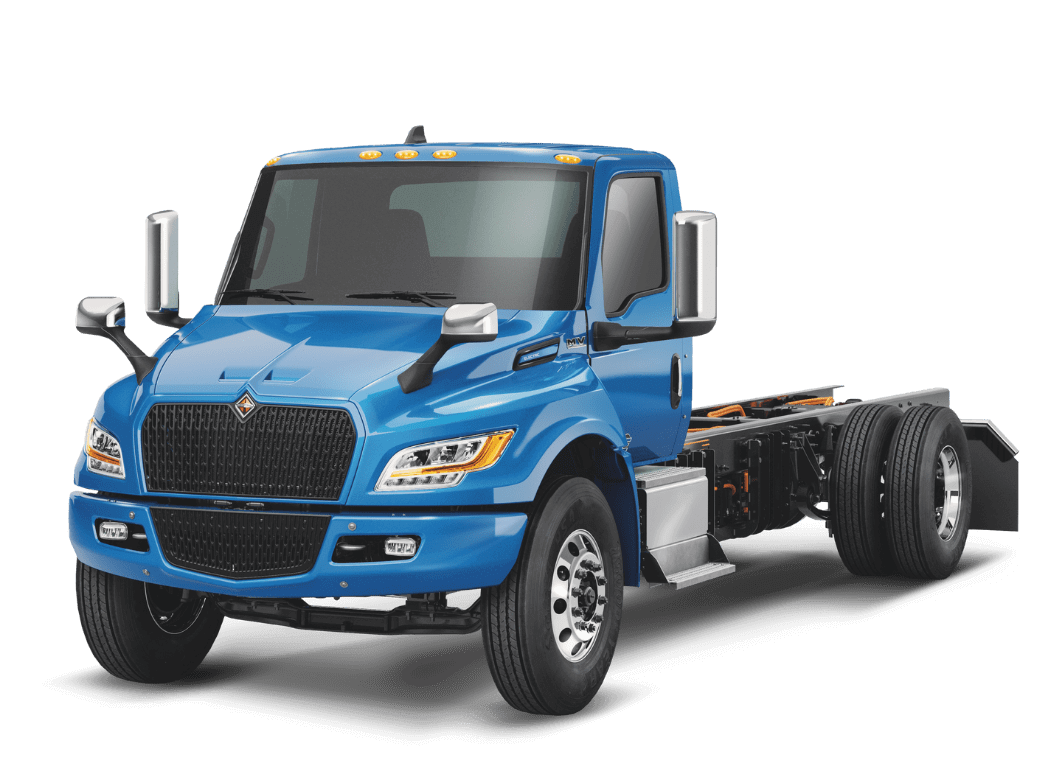
International pairs years of experience with industry-leading infrastructure to offer the “just right” electric truck solution. The revolutionary International eMV™ Series is built on the same proven foundation as the diesel MV Series while offering the benefits of reduced maintenance and zero emissions.
Ford Electric Vehicles
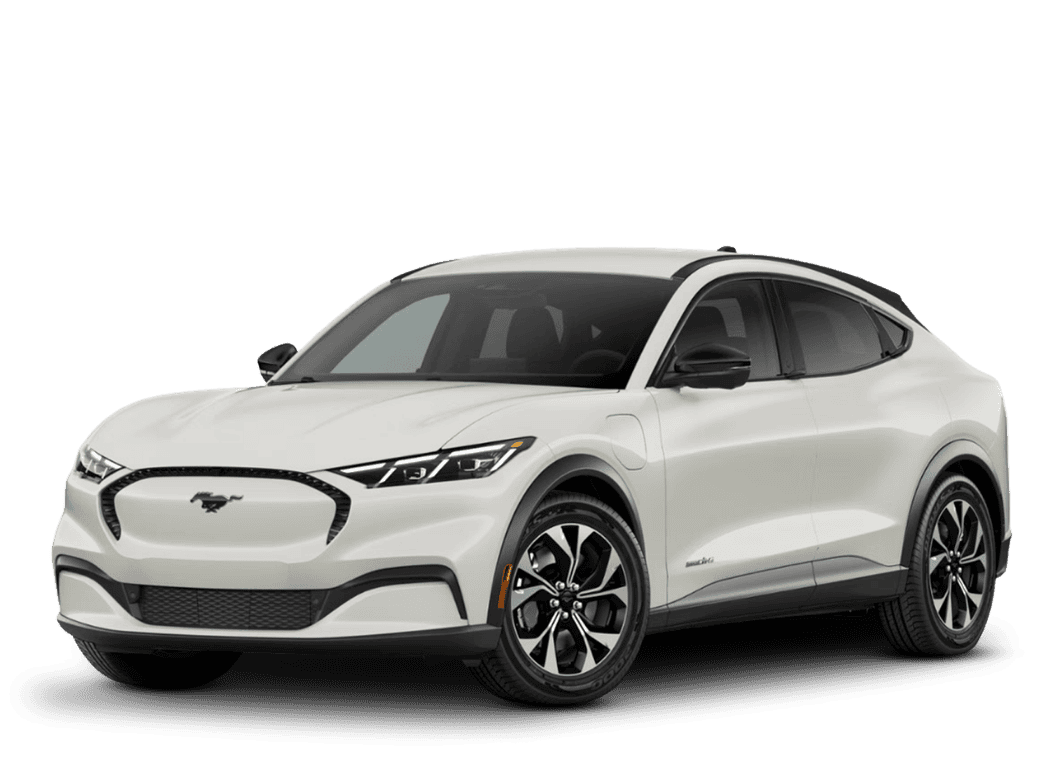
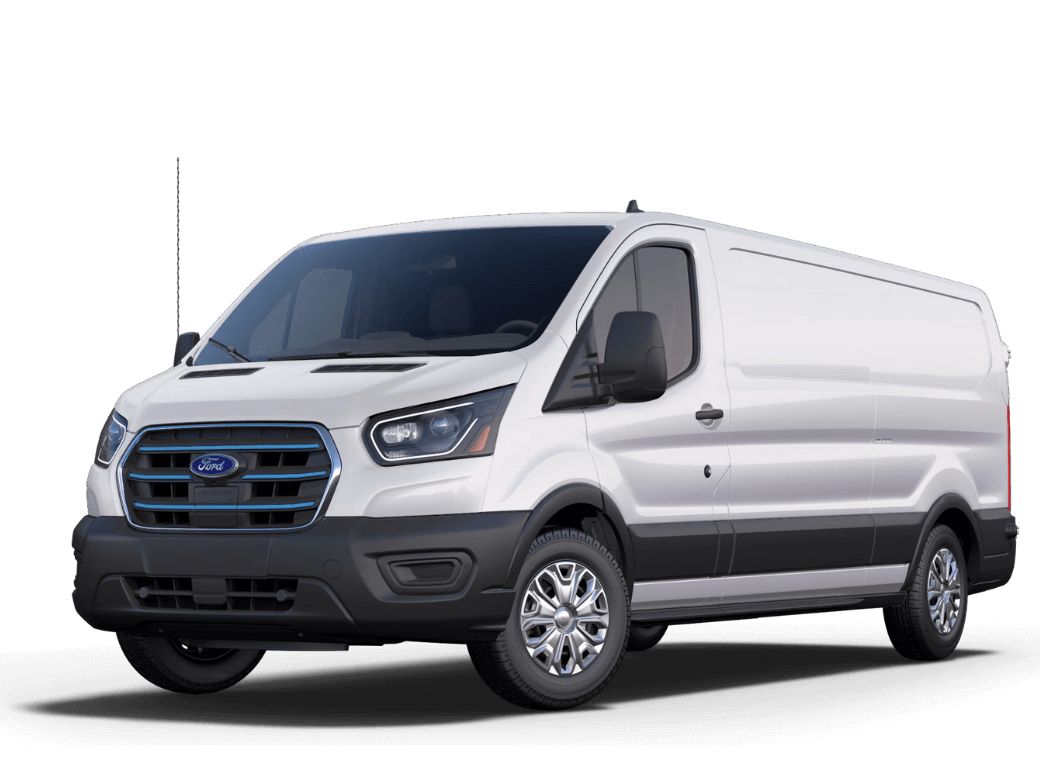
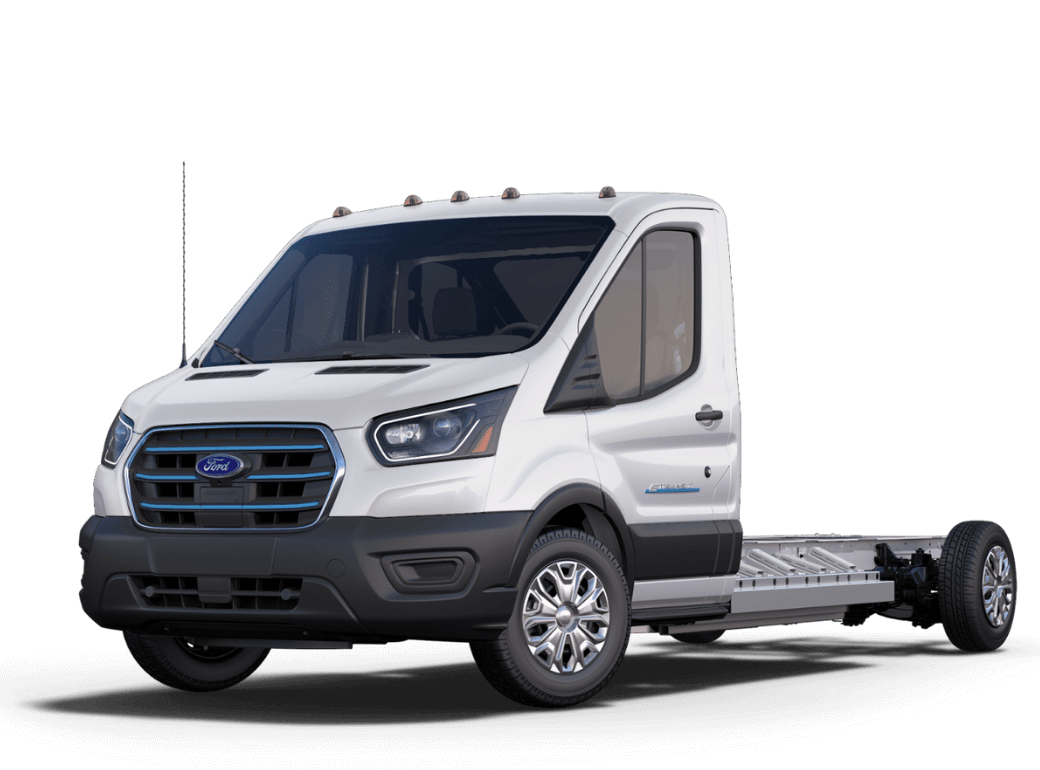
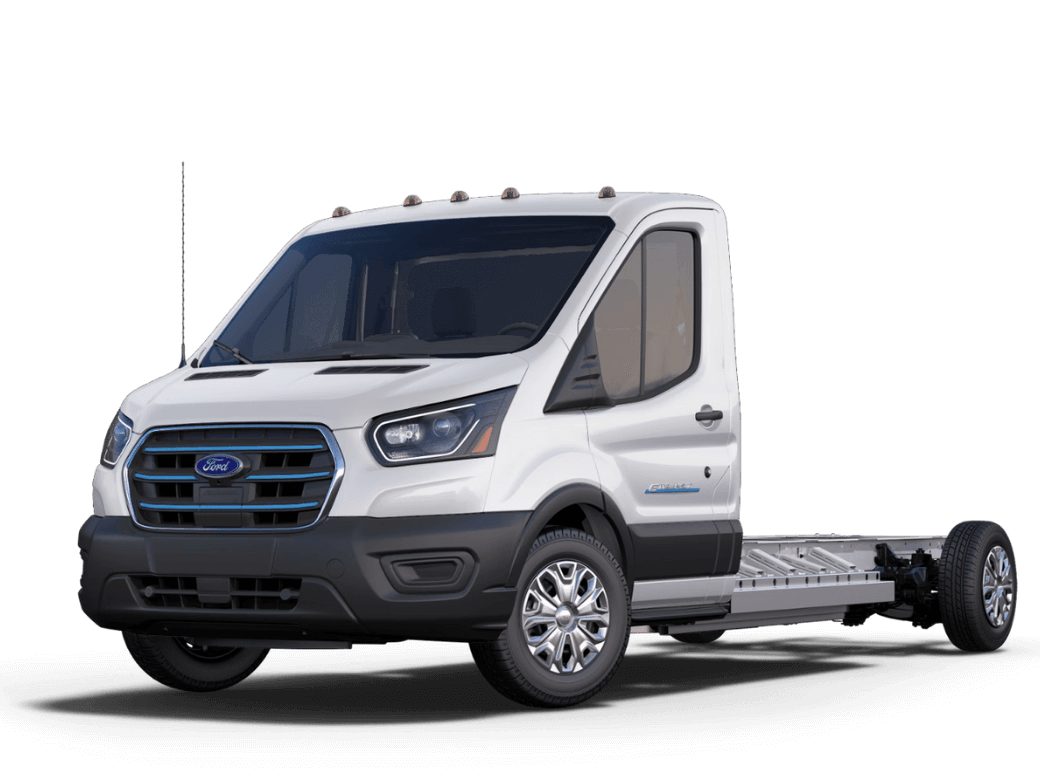
Drive into the future with Ford’s all-electric vehicles. The Mustang Mach-E® SUV and E-Transit™ cargo, chassis cab and cutaway vans offer an efficient and exhilarating driving experience paired with minimal scheduled maintenance costs and zero vehicle emissions.
Isuzu Electric Trucks
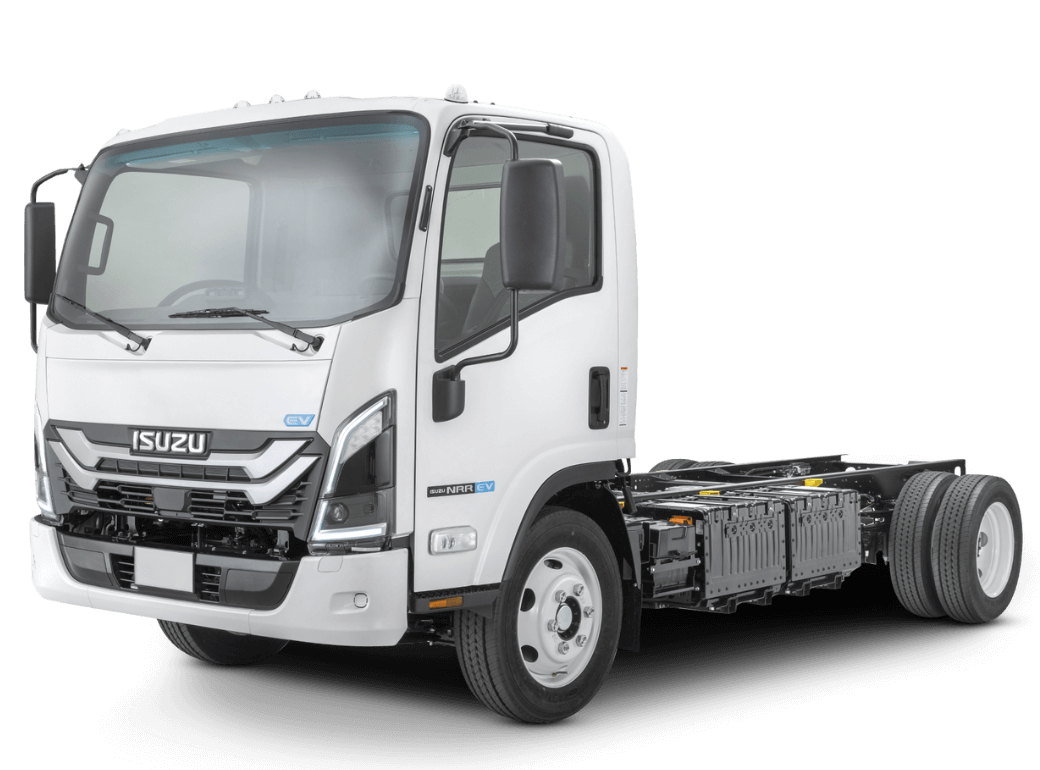
Isuzu has become synonymous with innovation in transportation and now they’re bringing their first battery electric truck to the market. The new NRR EV puts the EV in “everything”.
Blue Arc Electric Vehicles
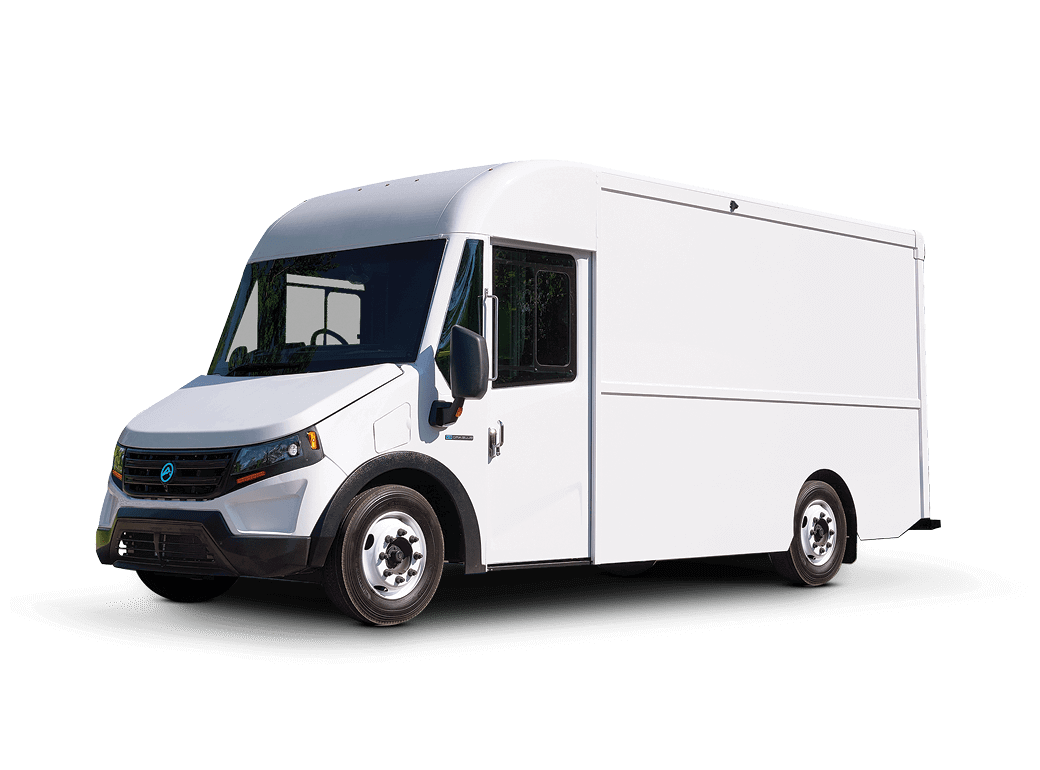
Powered by Blue Arc's purpose-built EV chassis, the Class 4 offers generous capacity and hauling power to carry more parcels and heavier loads. The Blue Arc walk-in van is EV that brings it — the range, payload, and lifecycle you need to deliver.
Autocar Electric Terminal Tractors
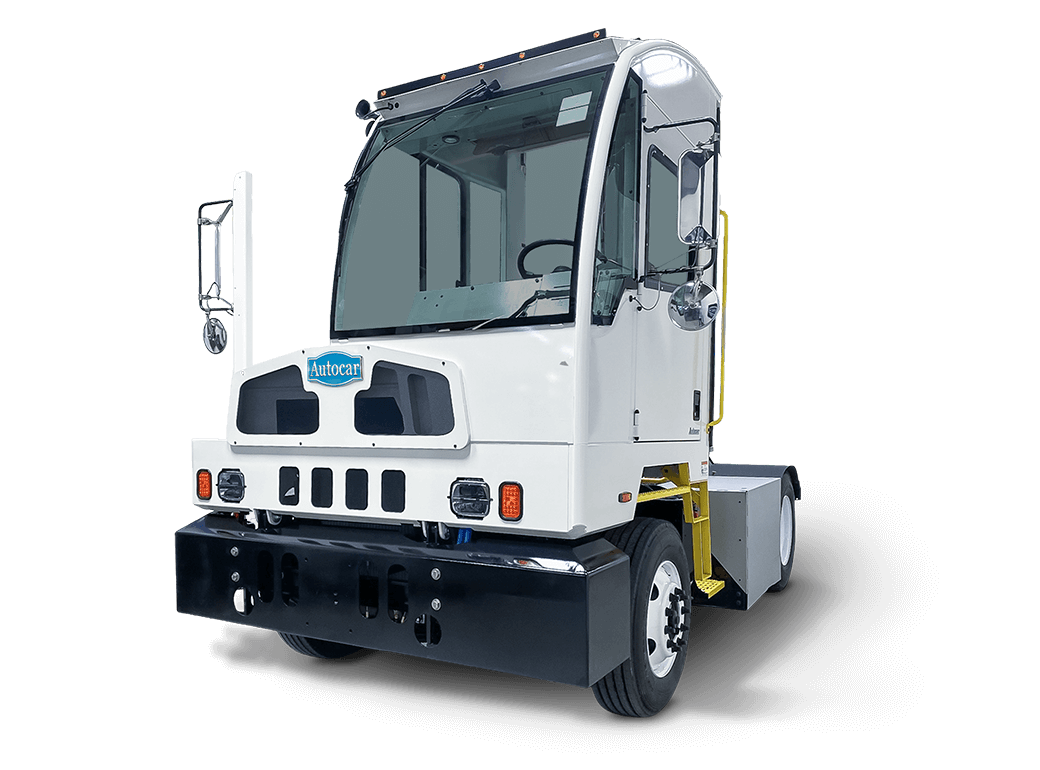
The Autocar E-ACTT is the first purpose-built battery-powered terminal tractor. It offers all the advantages of the diesel-powered severe-duty ACTT with the added benefits of zero emissions and zero compromise.
Blue Bird Electric Buses
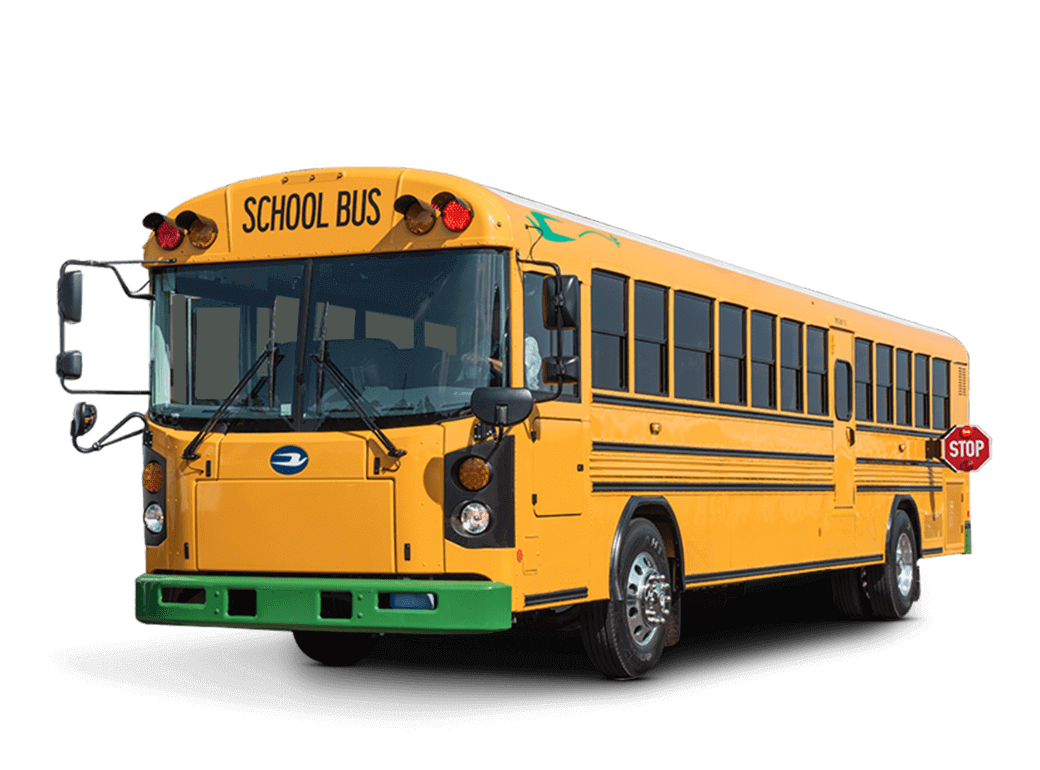
Blue Bird was first to market electric school buses in 1994. With advances in battery technology and reliable drivetrain systems, the Blue Bird Vision Electric and All American RE Electric buses continue their long-standing tradition of quality.

Micro Bird Electric Buses
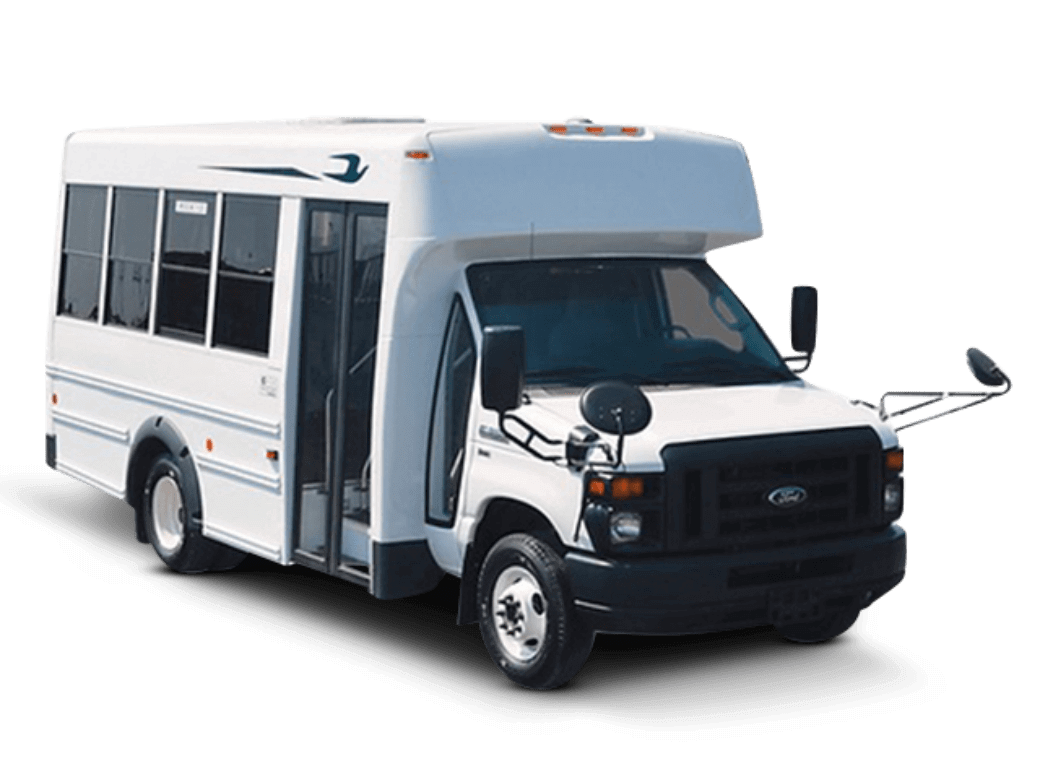
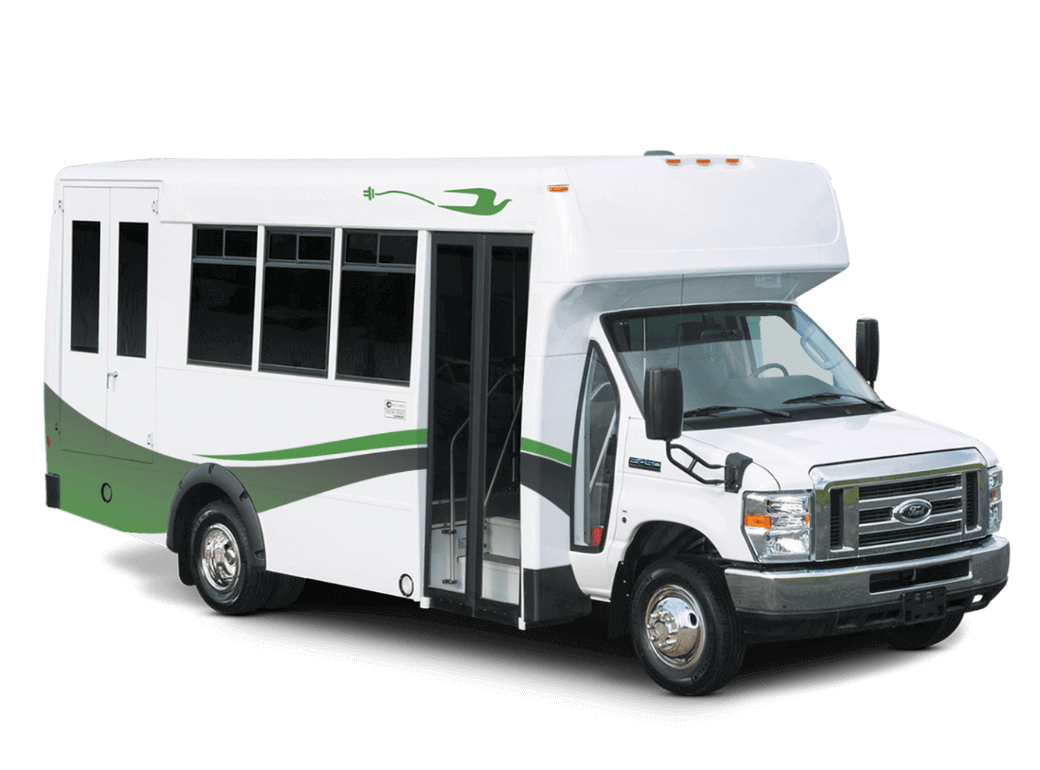
Micro Bird electric buses combine zero-emission performance with the safety, durability and passenger comfort of proven Micro Bird platforms. Available for school, activity and commercial transportation applications, Micro Bird electric buses offer up to 200 miles of range, flexible passenger configurations and advanced features including regenerative braking and Vehicle-to-Grid (V2G) capability. Explore G5 Electric and D-Series Electric models designed to help organizations reduce emissions and operating costs while meeting a variety of transportation needs.

IC Electric Buses
IC Bus is charging ahead with an electrified version of their flagship CE school bus. The Electric CE Series model is a zero-emission electric school bus option, lowering the total cost of ownership and offering user-friendly options and features.

6 Benefits of Electric Trucks
While electric trucks may not make sense for every commercial application, its advantageous to fully understand the alternative power options available in the market and the benefits they can provide in terms of regulatory compliance, cost of ownership and sustainability. Read more on The Long Haul blog.
Frequently Asked Questions
 What type of battery is used in electric trucks and buses?
Most battery-electric trucks and buses use lithium-ion batteries. The specific battery chemistry varies by manufacturer and model, but two common types are lithium iron phosphate (LFP) and nickel manganese cobalt (NMC). LFP batteries are known for thermal stability and long cycle life, while NMC batteries offer high energy density.
How accessible are chargers for commercial electric vehicles?
Public charging stations designed to accommodate the size, parking configuration and power requirements of medium- and heavy-duty vehicles are extremely limited. However, investments are being made to increase the accessibility of public charging stations where they’re needed across the U.S., such as at truck stops, loading bays and service workshops.
Most commercial fleets rely on charging at their home base, where vehicles are stored between shifts. Installing fleet charging infrastructure requires careful planning, and fleets should evaluate vehicle schedules, charging needs, available electrical capacity, utility timelines and opportunities to charge during scheduled downtime. We can help customers understand these requirements, identify infrastructure resources and coordinate with charging providers and local utilities.
How long do electric trucks and buses take to charge?
Charging time varies by vehicle, battery capacity, charger output, the vehicle’s maximum charging rate, battery temperature and starting state of charge. An electric truck or bus may charge overnight using AC charging or use higher-powered DC charging to recover a significant portion of its range during a shorter stop. Manufacturers often publish charging times for a specific state-of-charge range, such as 20% to 80% or 20% to 90%, rather than from empty to full.
What is the range of electric commercial vehicles?
Electric commercial vehicle range varies significantly by vehicle class, battery configuration, application and operating conditions. Available configurations can range from under 100 miles to 250 miles or more on a charge.
Actual range may be affected by payload, route, speed, weather, terrain, heating and air conditioning use, auxiliary equipment and driver behavior. Because of these variables, fleets should evaluate range using their real routes and operating requirements rather than relying solely on a manufacturer’s maximum estimate.
Which applications make the most sense for electric truck adoption?
Battery-electric trucks and buses are often a strong fit for applications with predictable routes, moderate daily mileage and scheduled downtime at a home base. These may include school transportation, local pickup and delivery, drayage, refuse, terminal operations and certain regional-haul or urban applications.
Fleets should also consider payload, terrain, climate, auxiliary equipment, charging time, electrical capacity and how often vehicles return to their home base. Longer routes may be practical when a vehicle has sufficient range and reliable charging is available along the route or at its destination. We can evaluate your duty cycle and help identify vehicles that fit your operating requirements.
How are emissions regulations affecting the EV industry?
Federal, state and local emissions regulations continue to influence vehicle development, availability and fleet planning. Depending on the jurisdiction, these regulations can range from stricter emissions standards that increase the complexity of internal combustion vehicles to requirements for manufacturers to sell zero-emission vehicles and for certain covered fleets to purchase them.
We can help customers understand how current requirements may affect their vehicle planning and connect them with appropriate regulatory and compliance resources. Request a consultation today to get started.
How do electric truck costs compare with diesel truck costs?
Battery-electric trucks generally have a higher initial purchase price than comparable diesel-powered vehicles. However, they may offer lower energy and maintenance costs because they have fewer powertrain components, require no diesel exhaust fluid or engine oil changes and use regenerative braking to reduce brake wear.
The total cost of ownership (TCO) depends on factors including vehicle price, available incentives, electricity and demand charges, charging infrastructure, utility upgrades, annual mileage, maintenance, vehicle utilization and residual value. Savings are not the same for every fleet or application.
We can help you evaluate these costs using your vehicles, routes and operating requirements.
What companies manufacture commercial electric trucks?
We represent several manufacturers that offer battery-electric commercial vehicles, including:
- Peterbilt Models 579EV, 567EV, 520EV, 548EV, 537EV and 536EV
- International eMV Series
- Ford E-Transit cargo van, chassis cab and cutaway
- Isuzu NRR EV
- Blue Arc Class 4 walk-in van
- Autocar E-ACTT terminal tractor
Contact us for information about vehicles currently available for your application.
How can Rush Truck Centers help me transition my fleet to battery-electric vehicles?
Rush Truck Centers is committed to helping our customers make the transition to electric vehicles. From simulating your fleet's electric vehicle requirements and advising on new funding opportunities to answering questions about charging, infrastructure and operational plans, we will be here every step of the way. We’re also here to help you navigate upcoming regulations and understand how purchase decisions you make now will affect future compliance.
If you're interested in upgrading your fleet to electric-powered vehicles, our experts can help you find the option that best fits your business applications. Request a fleet evaluation today to get started.