Back To Blog


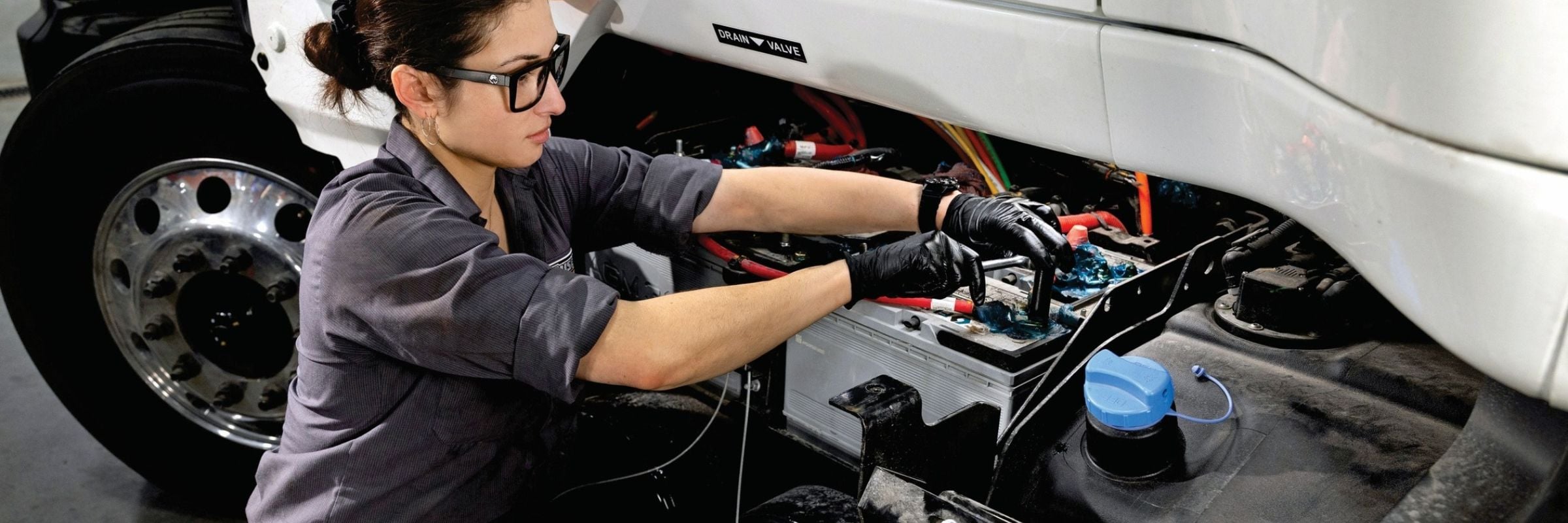
Key Takeaways
- Commercial truck batteries typically last three to five years, but extreme temperatures, electrical demands and charging habits can shorten their service life.
- Slow cranking, repeated jump-starts and reduced accessory runtime can signal battery problems. Testing helps identify whether the batteries need attention or another electrical component needs service.
- Include battery testing in preventive maintenance, especially before winter. Replace batteries based on their condition, test results and manufacturer guidance.
A truck that struggles to start can put your entire day behind schedule. As winter approaches, a battery that handled yesterday's route without trouble may have a harder time getting the engine turning on a freezing morning.
Knowing how long commercial truck batteries last, what affects their performance and when to have them tested can help you get ahead of an unexpected no-start. Here's what to watch for before a weak battery becomes a roadside problem.
How Long Do Commercial Truck Batteries Last?
Commercial truck batteries generally last three to five years under normal operating conditions with proper maintenance. However, that range is just a general guideline. Heavy electrical loads, harsh duty cycles and chronic undercharging can cause batteries to need replacement much sooner.
Note: This guidance applies to the starting and accessory batteries used in conventional commercial trucks. The high-voltage traction batteries that power electric trucks have different service-life expectations and maintenance requirements.
It's recommended to keep a record of each battery's installation date and test results. As batteries get older, regular testing helps determine whether they can still meet your truck's demands. Keep in mind that a younger battery with declining performance may need attention before an older battery that continues to test well.
What Affects Commercial Truck Battery Life?
Two trucks using the same batteries can have very different replacement timelines. How the batteries are used and maintained matters just as much as their age.
Extreme Heat and Cold
High temperatures can accelerate battery deterioration, while cold weather reduces available battery power. At the same time, cold-thickened engine oil makes the engine harder to turn over. That combination can expose a battery that was already weakened during warmer months. Winter may reveal a problem, but summer heat can help create it.
Electrical Loads and Deep Discharges
Sleeper accessories, refrigerators, inverters and other equipment draw power from the batteries when the engine is off. As that stored energy is used, the batteries discharge. Repeatedly using a large portion of a battery's stored energy, known as deep discharging, or leaving it partially discharged can shorten its useful life.
Battery selection should account for both engine starting and accessory demands. A battery designed primarily for starting may not be the right choice for repeated, heavy cycling.
Driving Patterns and Charging Performance
Frequent starts and short trips may leave limited time to recharge the batteries after cranking — the process of using the starter motor to turn the engine over so it can start. Charging system faults or an alternator that cannot keep up with the truck's electrical demands can also leave batteries undercharged.
If batteries keep losing charge, replacing them without checking the charging system may leave the underlying problem unresolved.
Vibration, Connections and Installation
Rough operating conditions can stress battery components. Loose mounting hardware, corroded connections and damaged cables also deserve attention during inspections.
Proper installation and secure connections help the batteries deliver power reliably. Follow the manufacturer's mounting and terminal-tightening specifications rather than assuming tighter is always better.
Signs Your Commercial Truck Batteries May Need Replacement
Battery problems often show up as changes in starting performance or available electrical power. These symptoms call for testing, but they do not automatically mean the batteries have failed or need to be replaced.
Slow or Labored Cranking
An engine that turns over more slowly than usual is a reason to check the batteries and starting system. Pay attention to changes under similar conditions, especially if starting becomes progressively harder.
Weak batteries are one possibility, but poor cable connections, starter problems and cold-thickened oil can produce similar symptoms. Our guide to common commercial truck starting problems explains what different starting symptoms may mean.
Repeated Jump-Starts or Discharge While Parked
If your truck repeatedly needs a jump-start, schedule an inspection. The cause may be declining battery capacity, insufficient charging or an electrical draw while the truck is parked.
A successful jump-start gets the engine running, but it does not establish whether the batteries are healthy or what caused the discharge.
Shorter Accessory Runtime or Electrical Changes
If the same accessories run for less time before a low-voltage warning or shutdown, the batteries may have lost usable capacity. Dimming lights or changes in how electrical devices operate also warrant a closer look.
Tell the technician whether you recently added equipment. Increased electrical demand can change how long the available battery capacity lasts.
Visible Damage or Heavy Corrosion
Cracked cases, leaking electrolyte or damaged terminals require prompt professional attention. Corrosion and loose connections also need correction, although corrosion alone does not establish that a battery needs replacement.
Avoid handling damaged or leaking batteries. Have the condition evaluated before attempting to charge or jump-start them.
When Should Commercial Truck Batteries Be Tested?
Include battery checks in your truck's preventive maintenance program, following the truck and battery manufacturers' recommendations. Arrange testing before winter and promptly after slow starts, repeated jump-starts or unexplained discharge. Older batteries and trucks in demanding applications deserve closer monitoring.
A voltage reading alone does not confirm that a battery can deliver adequate starting power. A technician can check the state of charge and perform an appropriate load or conductance test. A discharged battery may need proper charging and retesting before a replacement decision can be made.
For trucks with multiple batteries, testing should follow the specified procedure for the battery configuration and diagnostic equipment. That may require disconnecting the battery bank, or group of batteries connected together, and testing individual batteries to identify a weak unit.
Record the results so your maintenance team can identify declining performance over time.
When Is It Time to Replace Commercial Truck Batteries?
Replacement is generally appropriate when a battery has physical damage that requires replacement or fails the applicable test after proper charging and retesting. A battery that repeatedly loses charge needs diagnosis to determine whether it has failed or another problem remains.
Should You Replace All Truck Batteries at Once?
When one battery fails, have the entire battery bank evaluated. Batteries within the same bank should use the same battery technology, have compatible ratings and be similar in age. Mixing a new battery into an aging bank may cause further issues, so follow the truck and battery manufacturers' replacement guidance.
Do not mix flooded lead-acid, absorbed glass mat (AGM) and gel batteries within the same bank. If you are considering a different battery technology, confirm compatibility with the truck's charging system and application first.
Choose replacement batteries that meet the specified voltage, physical fit, terminal configuration, cold cranking amps and capacity requirements. Cold cranking amps relate to starting performance in low temperatures, while reserve capacity helps assess available power for sustained electrical loads.
How to Prepare Truck Batteries for Winter
Before freezing temperatures arrive, make battery care part of your winter truck maintenance checklist.
- Schedule testing early. Leave time to address weak batteries or charging-system problems before a cold snap.
- Inspect connections and mounting hardware. Have corrosion, damaged cables and loose connections corrected.
- Keep batteries properly charged. For trucks parked for extended periods, follow manufacturer guidance for monitoring charge and using a compatible charger or maintainer.
- Address starting changes promptly. A slower start is useful information to share with your maintenance team.
Cold weather slows battery charging and can reduce available power. Discharged lead-acid batteries are also more vulnerable to freezing. If you suspect a battery is frozen, do not attempt to jump-start it. Have a qualified technician evaluate it and determine whether replacement is needed.
Get Your Batteries Checked at Rush Truck Centers
You don't have to wait for a no-start to find out how your batteries are performing. Whether they are approaching the typical replacement range or showing signs of issues, a starting and charging system inspection can help identify what needs attention.
Rush Truck Centers offers battery and electrical-system inspections to help evaluate battery condition, connections, starter operation and charging performance. Request a service appointment before winter weather arrives or visit shop.rushtruckcenters.com to shop for replacement batteries and related parts.
COME ALONG FOR THE RIDE. Sign up to receive email updates with our latest promotions, blog posts and news from Rush Truck Centers.