Back To Blog


Key Takeaways
- Moisture in the air tanks, slower pressure buildup or unusual purging can signal an air-system problem that needs inspection.
- Cartridge service may restore drying performance, but a qualified technician should determine whether the dryer needs repair or replacement — or whether another component is causing the problem.
- Include air dryer checks in your winter maintenance plan to help prevent moisture-related freeze-ups, and address recurring symptoms promptly in any season.
As temperatures drop, moisture in your truck's air system can freeze and interfere with air-brake operation. That makes air dryer maintenance an important part of getting your truck ready for winter.
Water in the air tanks, slower pressure buildup, more frequent compressor cycling, air leaks or unusual purging, and frozen air lines can all point to an air-system problem. Your truck's air dryer is one place a technician will check.
These truck air dryer symptoms don't automatically mean you need a new dryer. Depending on the cause, the fix may be cartridge maintenance, a serviceable valve repair, complete dryer replacement or work elsewhere in the air system. Here's what to watch for and how to decide what comes next.
What a Truck Air Dryer Does
A truck air dryer removes moisture and helps control contaminants in compressed air before they reach the reservoirs and air-brake components. On many trucks, that air also supplies equipment such as air suspension and other air-operated accessories.
The compressor draws in outside air, which contains water vapor. As compressed air cools, some of that vapor condenses into liquid water. The dryer uses desiccant — a material that captures moisture from the air — to help keep water out of the reservoirs and air-brake components. Some air dryer cartridges also have a coalescing filter that captures fine oil droplets, though oil-removal capabilities vary by dryer and cartridge design.
When pressure in the truck's compressed-air system reaches its set level, many air dryers release a short burst of air called a purge. During this cycle, dry air flows backward through the desiccant to carry collected moisture out of the dryer. This helps prepare the desiccant to capture more moisture. Purge sounds and timing vary by system, so learn what's normal for your truck.
Common Signs of a Bad Truck Air Dryer
The following signs warrant a closer look at your air dryer, but leaks, valves, compressor faults and other air-system problems can cause similar symptoms. An inspection can help identify the cause before parts are replaced.
Water or Oil When Draining the Air Tanks
Recurring or increasing moisture in air brake tanks can indicate reduced drying performance. A cartridge that's due for service is one possibility, but dryer faults, operating conditions and problems elsewhere in the system should also be considered.
Follow the truck and component manufacturers' instructions for draining and inspecting the reservoirs. Note how much water or oil you find and whether it returns after service. Those details help a technician spot a pattern.
Slower Air Pressure Buildup
If the truck takes longer than usual to build air pressure under comparable conditions, have the system checked. An air leak, restriction, compressor problem or control fault may be responsible. The symptom alone doesn't tell you that the cartridge is clogged.
Use the manufacturer's pressure-build test procedure rather than a generic charging time. Starting pressure, engine speed and air demand can all affect the result.
More Frequent Compressor Cycling
A compressor that cycles more often than usual may be responding to air loss or increased air demand. A leaking line, valve, fitting or dryer component could be involved.
Track what the gauges do when the symptom occurs, including whether the truck is parked or using air-operated equipment. Check the manufacturer's specified pressures for when the compressor should start and stop supplying air (cut-in and cut-out settings), since these settings vary by truck.
Air Leaks or Changes in Purging
A new sustained hiss, unusually frequent purging or a change from the truck's normal purge pattern deserves attention. Air dryer purge valve problems are one possible cause, but the delivery check valve, governor, control lines or other components may also be involved.
If your truck's air dryer is not purging when expected, have a technician check the system. Sound alone isn't enough to identify the failed part or decide whether the whole dryer needs replacing.
Frozen Air Lines in Cold Weather
Moisture in the system can freeze and interfere with air-brake operation. Frozen lines or valves call for inspection of both the moisture problem and any affected components. If your air dryer has a purge-valve heater, have the heater and its electrical supply checked, too.
Include dryer checks in your winter truck maintenance before freezing temperatures arrive. If you have a low-air warning, abnormal pressure loss or suspected frozen brake components, stop safely and arrange roadside assistance to have the problem evaluated and corrected before continuing.
When to Replace a Truck Air Dryer Cartridge
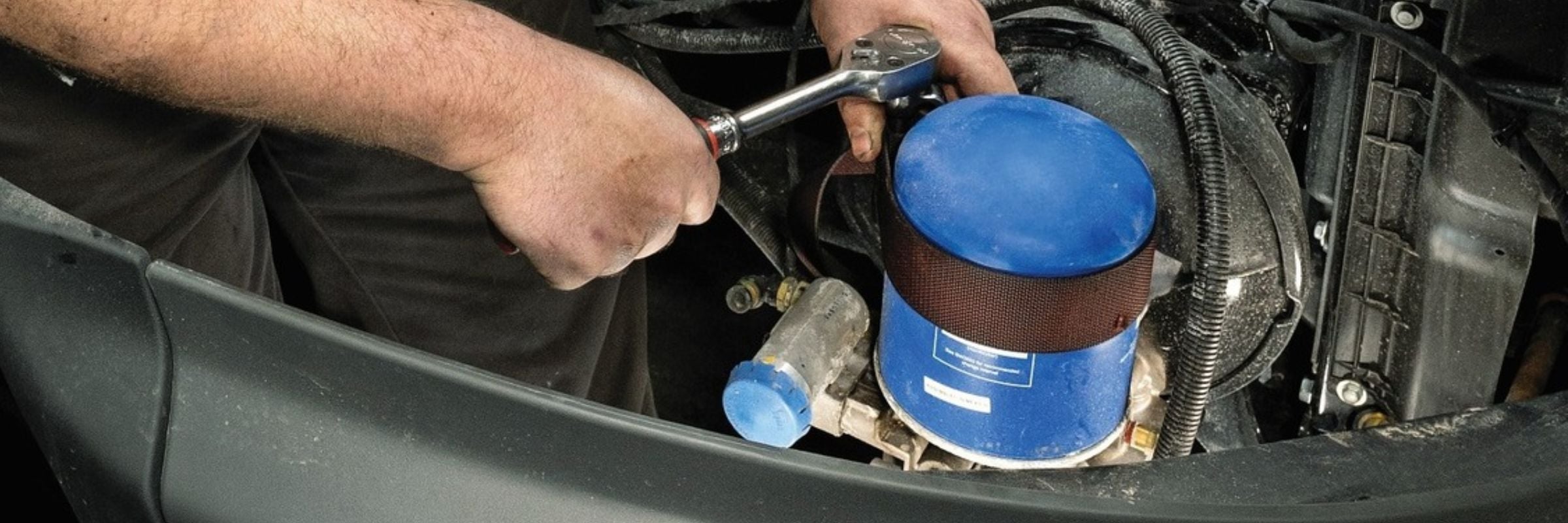
Cartridge service may be needed when the cartridge reaches its specified service interval, moisture keeps appearing in the reservoirs or an inspection identifies reduced drying performance.
There isn't a universal air dryer cartridge replacement schedule for every truck. Follow the truck and air dryer manufacturers' guidance for the installed dryer, cartridge and application. Duty cycle, air demand and operating conditions can affect maintenance needs. Use the specified replacement cartridge and complete any related service procedures.
If moisture returns after cartridge service, arrange for the issue to be diagnosed further. Another cartridge change may not address the cause. Keep a record of service dates, mileage or engine hours, and reservoir inspection results so recurring problems are easier to recognize.
When Complete Air Dryer Replacement May Be Needed
A new cartridge won't resolve every dryer fault. Complete replacement may be appropriate if the housing or mounting points are damaged or badly corroded, or if a confirmed component fault cannot be corrected through the recommended service procedure.
Problems that continue after the correct cartridge has been installed and related maintenance has been completed also need investigation. A technician should determine whether the dryer has an unserviceable fault or whether another air-system problem remains. Some valve and seal faults can be repaired without replacing the entire unit.
|
Service |
When It May Be Appropriate |
|
Cartridge Service |
The specified interval is due, or inspection supports cartridge service for reduced drying performance. |
|
Dryer Component Repair |
Diagnosis confirms a valve, seal or other fault that the manufacturer provides a service procedure to correct. |
|
Complete Dryer Replacement |
Damage or a confirmed unserviceable fault makes replacement necessary. |
Other Air System Problems Can Look Like Dryer Issues
Air leaks can slow pressure buildup and make the compressor cycle more often. A purge valve or delivery check valve fault can affect pressure retention and dryer operation. Governor or control-system faults may change when the compressor loads, unloads or triggers a purge.
Compressor oil carryover — oil carried into the air system from the compressor — is another possibility. Excessive oil can contaminate the desiccant and reduce drying performance, but finding oil doesn't establish a specific compressor failure. A technician should evaluate carryover against the manufacturer's guidance and correct the confirmed cause. Discharge-line restrictions or routing problems also need checking against the applicable installation requirements.
What to Do When You Notice a Problem
Start by recording what changed: moisture at the drains, slower pressure buildup, more frequent cycling or unusual purging. Note operating conditions and any recent air-system service. Check the truck and component manufacturers' maintenance guidance, then have a qualified technician inspect the system and recommend the appropriate repair.
Recurring moisture deserves prompt attention, especially before cold weather. Pressure loss, low-air warnings or brake-operation concerns require immediate attention rather than waiting for a routine appointment.
Schedule an Air Dryer Inspection at Rush Truck Centers
Before freezing temperatures arrive, make an air dryer check part of your truck's winter maintenance plan. If you're already finding moisture in the tanks, noticing changes in pressure buildup or dealing with repeated air-system issues, schedule an inspection promptly, whatever the season.
Rush Truck Centers technicians can inspect the dryer and related components to determine whether you need cartridge service, dryer repair or replacement, or another air-system repair.
Request a service appointment to get the problem checked, or shop for air dryers, replacement cartridges and related parts at shop.rushtruckcenters.com.
Request Service Shop Parts
COME ALONG FOR THE RIDE. Sign up to receive email updates with our latest promotions, blog posts and news from Rush Truck Centers.