
 Back To Blog


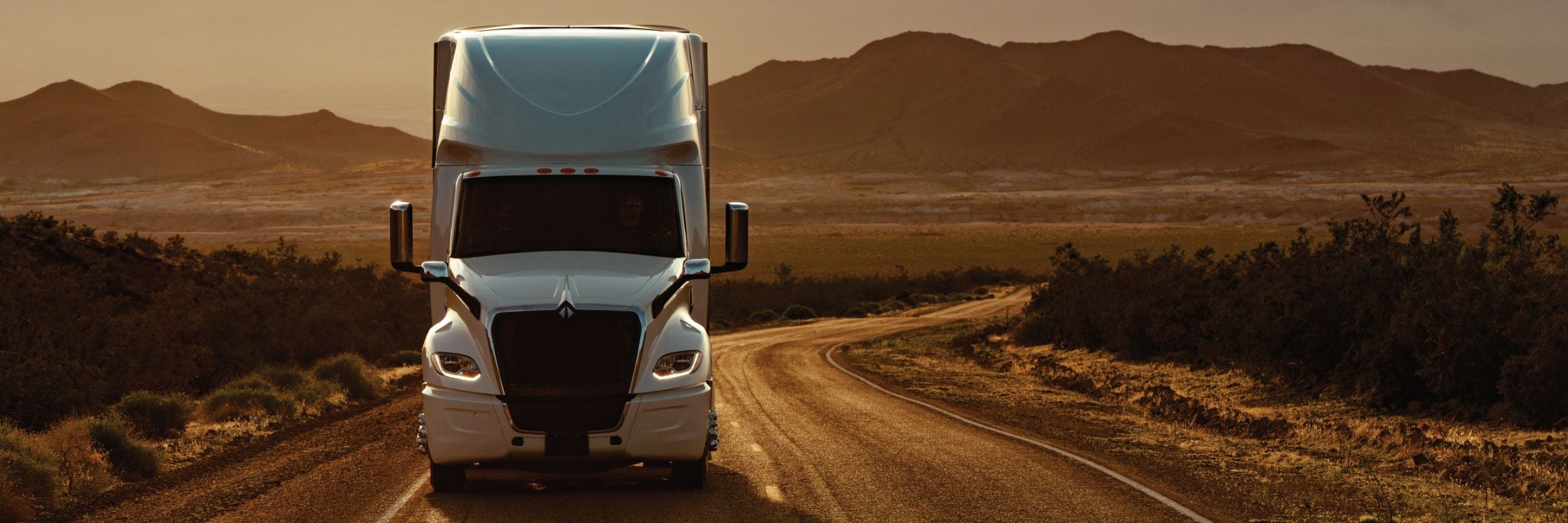
Image Source: International.com
Key Takeaways
- International's history began with Cyrus McCormick's mechanical reaper in 1831, decades before the company built its first motor truck.
- The 1909 Auto Wagon helped move International from agricultural equipment into commercial vehicles, starting a truck-building history that now spans more than a century.
- After operating as Navistar from 1986 to 2024, the company returned to its roots as International Motors while continuing to expand its diesel and electric commercial vehicle lineup.
International has one of the longest and most unconventional histories in the commercial vehicle industry. Its story began in a Virginia blacksmith shop, moved through the mechanization of American agriculture and eventually reached highways, construction sites, cities and job sites across North America.
The company has changed names and business strategies over the years, but the International truck brand has remained a familiar presence. Today, International Motors offers medium-, heavy- and severe-duty trucks for everything from local delivery and long-haul freight to construction, utility, towing and municipal applications.
The road from the McCormick reaper to today's International truck lineup spans nearly two centuries of changing technology and customer needs.
Agricultural Origins
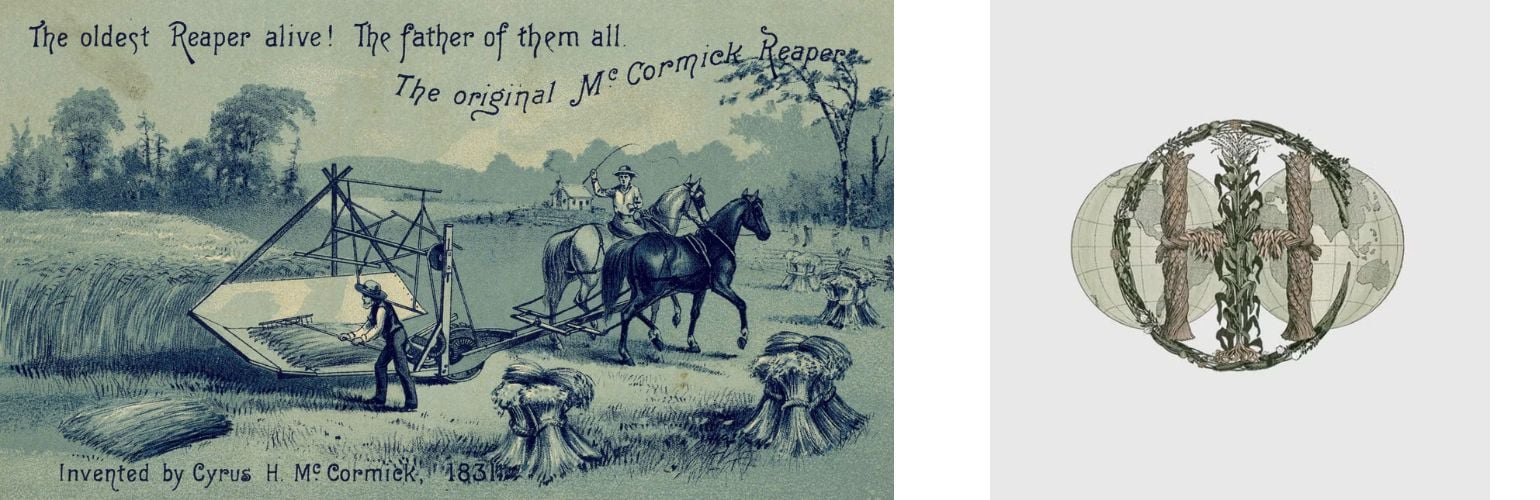
International's roots go back to 1831, when 22-year-old Cyrus McCormick invented the first successful mechanical reaper in the blacksmith shop on his family’s farm in Virginia. The horse-drawn machine could cut far more grain in a day than workers using hand tools. McCormick received a patent in 1834 and moved the business to Chicago in 1847, placing it closer to expanding Midwestern farms and transportation routes.
McCormick also changed how agricultural equipment was sold. By the 1880s, he had built a franchise dealer network and was the first to offer warranties and payment plans that let farmers pay after harvest. Those practices helped make new machinery more accessible and created a customer support model that would remain important as the company expanded.
In 1902, the McCormick Harvesting Machine Company merged with its competitor, Deering Harvester Company, and three smaller manufacturers to form International Harvester. Better known as IH, the new company became a major producer of farm equipment. IH built its first commercial gasoline engine in 1904 and created its first tractor in 1906.
Building the First International Trucks
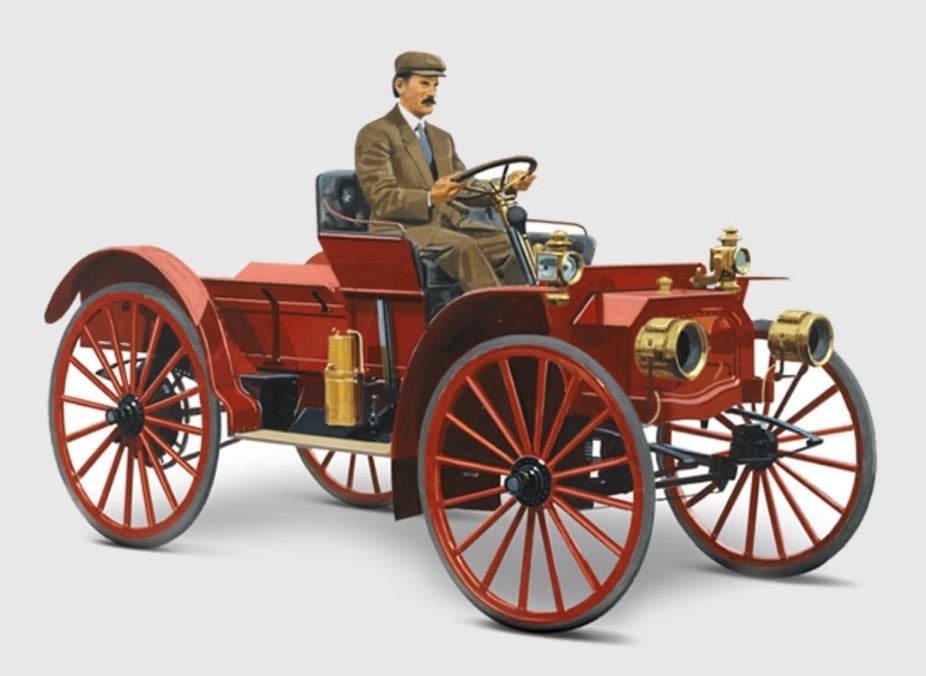
International Harvester's move into trucks grew directly from the needs of its agricultural customers. Farmers had begun removing the rear seats from the company's Auto Buggy so they could carry tools, equipment and crops. International responded in 1909 with the Auto Wagon, a high-wheeled utility vehicle designed to travel over rough rural roads.
Powered by a two-cylinder gasoline engine, the Auto Wagon could be configured with a rear seat that converted into a cargo bed, making it a forerunner of the modern pickup truck. Although created for farms, it also found buyers in urban areas that needed a simple truck for deliveries and other work. Beginning in 1910, the Auto Wagon was marketed as the IHC Motor Truck, and in 1914, it was renamed the International Motor Truck, marking the first time the "International" name was applied to the company's vehicles.
The company soon expanded beyond the Auto Wagon. The Model, introduced in 1915, featured a steel ladder frame and "Renault-type" coffin-nose hood, providing higher payload ratings as roads improved and businesses began moving more freight by motor vehicle.
During the 1920s and 1930s, International expanded its lineup across light-, medium- and heavy-duty applications. The C Series introduced an all-steel cab in 1934, while the D Series followed with more modern styling and configurations ranging from delivery trucks to semi-tractors.
Helping Build America
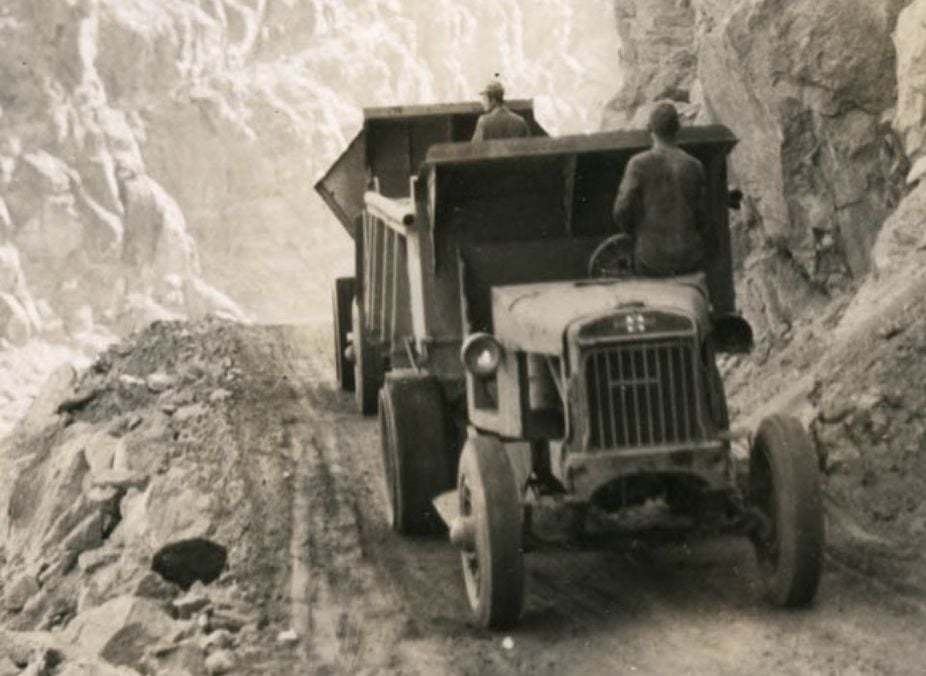
International trucks earned a reputation for demanding work during the 1930s. In 1931, International Harvester won a contract to supply trucks for the construction of the Hoover Dam, then the largest public works project in United States history. According to International, its vehicles ultimately made up 80% of the trucks used on the project. They operated around the clock in desert heat that could top 100 degrees, hauling materials through conditions that tested both the trucks and drivers.
The company's role expanded during World War II. From 1941 through 1945, International Harvester shifted production to support the war effort, building trucks and a wide range of military equipment. The work reinforced the durability associated with International vehicles and demonstrated the scale of the company's manufacturing and dealer support network.
After the war, International returned its attention to civilian customers. New K and KB Series models served businesses, government agencies and delivery fleets, while the L Series introduced in the late 1940s brought updated styling, a curved one-piece windshield and a broad range of configurations for the postwar economy.
New Designs for a Changing Industry
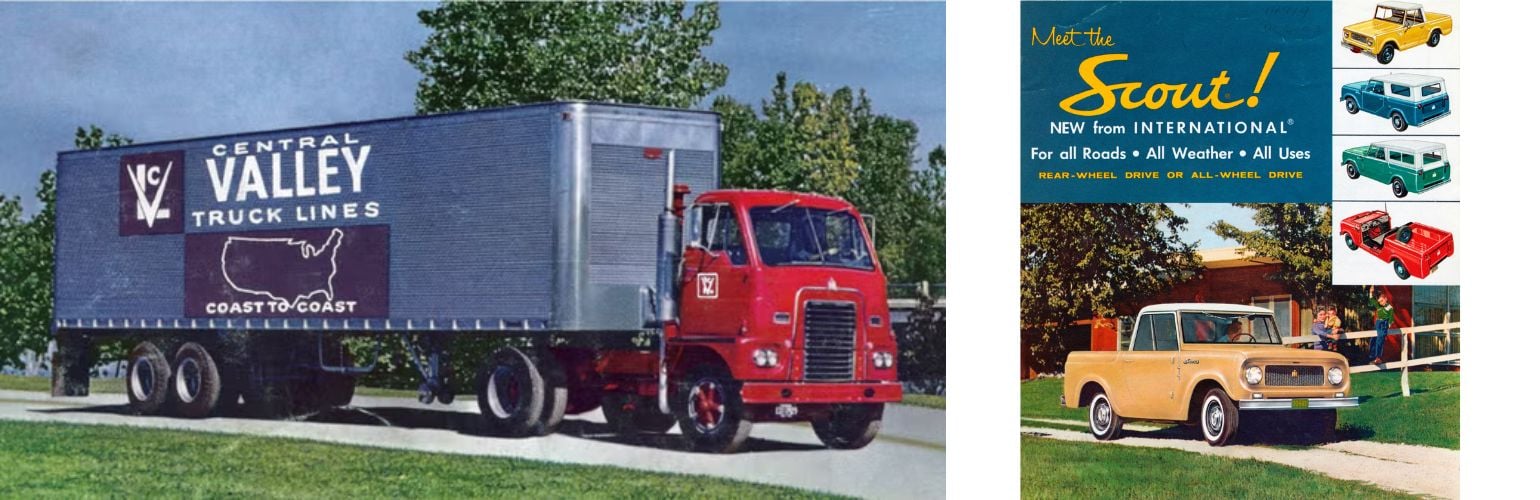
From the 1950s through the 1970s, International developed vehicles for a transportation industry that was changing quickly. Cab-over-engine trucks became especially important in the 1960s, when truck length laws limited the combined length of a tractor and trailer. Placing the cab over the engine shortened the tractor, leaving more room for a longer trailer and additional cargo. International's compact cab-over designs became popular with both fleets and independent drivers.
Fun Fact: International's influence was not limited to commercial trucks. Introduced in 1961, the Scout was marketed as an all-terrain family recreational vehicle and later evolved into what’s now known as an SUV. The Scout remained in production through 1980.
The company also introduced some of its most memorable truck lines during this time. The Loadstar became a versatile medium-duty choice for delivery, farming and construction. The FleetStar and TranStar served heavier highway and vocational work, while the PayStar was built for severe-duty applications such as dump trucks, concrete mixers and off-road equipment.
Another important development arrived in the 1970s with the DT-466 engine. Developed for heavy equipment, the DT-466 powered International Harvester’s first four-wheel-drive turbo farm tractor in 1973 and became available in International trucks in 1975. Its serviceable wet-sleeve design and long operating life helped make it a mainstay of medium-duty trucks and buses for decades.
In 1977, International introduced the S Series to replace and expand upon the Loadstar and FleetStar lines. Its broad range included medium-duty work trucks, regional tractors and severe-duty models, and versions of the S Series remained in production for more than 25 years.
From International Harvester to Navistar
International Harvester entered the 1980s facing a difficult agricultural economy, the effects of a lengthy labor strike and significant financial pressure. The company sold several business units as it restructured. Its agricultural division, along with the International Harvester name and IH logo, was sold to Case, which later used them for the Case IH brand.
The remaining truck and engine business adopted the name Navistar International Corporation in 1986. The corporate name changed, but International remained the name on its trucks. Navistar narrowed its focus to commercial vehicles, diesel engines and buses, introducing new medium- and heavy-duty models for regional haul, local delivery and vocational applications.
Technology became an increasingly important part of the International story. Diamond Logic programmable electrical systems arrived in 2003, giving customers and body builders more control over vehicle functions. OnCommand Connection followed in 2013, using vehicle data to help fleets monitor maintenance needs and improve uptime.
Expanding Through Integration and Partnerships
Navistar also expanded its reach through manufacturing partnerships and supply agreements. Beginning in the 1980s, the company built engines and trucks for Ford through a series of collaborative ventures. One of the most significant results was the production of 2.5 million Power Stroke diesel engines between 1994 and 2003.
The company also strengthened its school bus business. International had built bus chassis since 1919, but Navistar took a major step forward in 1995 when it acquired school bus body manufacturer American Transportation Corporation, better known as AmTran. The acquisition made Navistar the first modern manufacturer capable of producing nearly the entire school bus under one corporate structure. In 2009, the business adopted the IC Bus name, with "IC" standing for Integrated Coach.
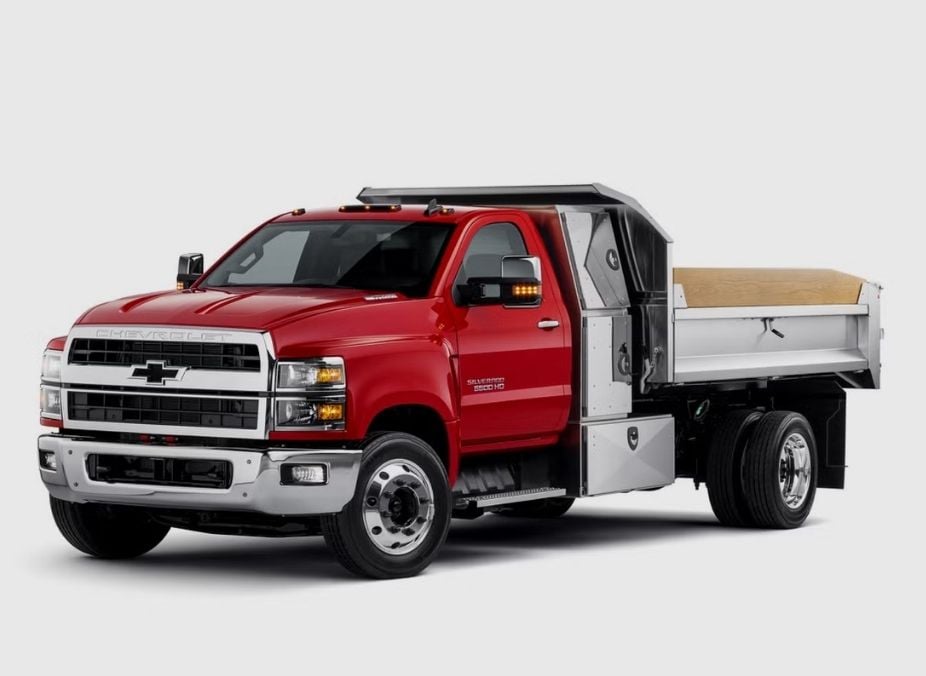
Navistar continued using partnerships to develop new commercial vehicles. In 2009, the company entered a strategic alliance with Caterpillar focused on the severe-duty truck market. In 2015, Navistar and General Motors announced plans to jointly develop Class 4 and 5 conventional-cab commercial trucks, eventually bringing new medium-duty options to both companies’ customers.

The Modern International Brand
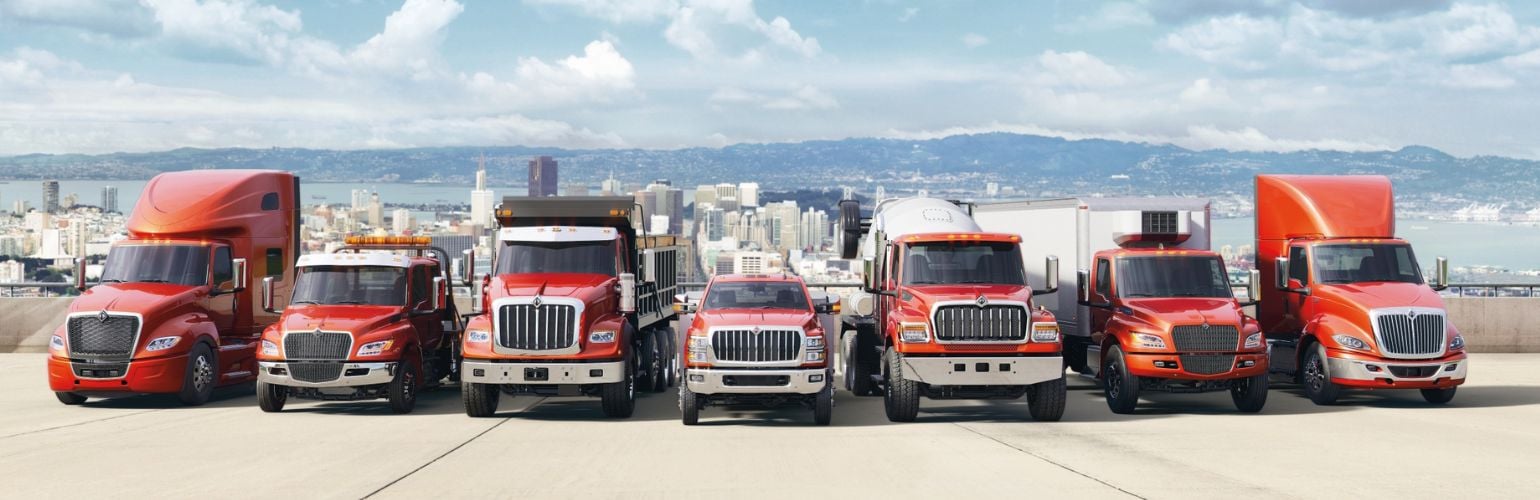
International refreshed much of its truck lineup beginning in the mid-2010s. The HX Series replaced the PayStar for severe-duty work, while the HV Series succeeded the WorkStar in vocational applications. The LT Series replaced the ProStar as International’s flagship on-highway tractor, the RH Series replaced the TranStar for regional haul and the MV Series succeeded the DuraStar in medium-duty applications. The CV Series expanded the lineup for Class 4 and 5 work.
One of International's most recognizable modern trucks was the LoneStar, introduced in 2008. The Class 8 tractor combined classic long-hood styling with a distinctive aerodynamic design and remained in production through 2024.
The company also began moving beyond diesel with the introduction of the eMV Series in 2021. The battery-electric truck uses the foundation of the medium-duty MV platform for applications that can benefit from zero tailpipe emissions, including pickup and delivery, box truck and other urban operations.
Also in 2021, Navistar became part of TRATON GROUP, joining Scania, MAN and Volkswagen Truck & Bus. That global relationship helped support the development of the International S13 Integrated Powertrain, introduced in 2022. Developed through collaboration across TRATON, the S13 combines an engine, automated transmission and aftertreatment system engineered to work together for efficiency, performance and serviceability.
The next major change came in 2024, when Navistar changed its corporate name to International Motors and introduced a broader rebrand that included a new logo and visual identity. The International name had remained on the trucks throughout the Navistar era, but the rebrand brought the company and its best-known vehicle brand back under one identity. It also reflected a broader focus on the complete customer experience, including trucks, parts, maintenance, financing, connectivity and charging solutions.
International Trucks Today
Today's International lineup covers a wide range of commercial vehicle applications, continuing the practical, work-driven approach that shaped the company’s earliest vehicles. The Auto Wagon was built because customers needed a better way to move equipment over rough roads. More than a century later, International continues to design trucks around the work customers need to do, whether that means hauling freight across the country, delivering goods across town or operating specialized equipment at a job site.
From helping mechanize American agriculture to moving freight across North America, International has spent nearly two centuries adapting to new industries, new technologies and new expectations. The products have changed dramatically since Cyrus McCormick demonstrated his reaper in 1831, but the central purpose has remained familiar: build practical equipment that helps businesses get the job done.
International Trucks Available at Rush Truck Centers
Rush Truck Centers offers new and used International trucks for medium-, heavy- and severe-duty applications, along with parts and service support at Rush Truck Centers International locations across the country. View our International truck inventory or find an International dealership near you to talk with a truck sales expert about the right model and configuration for your business.
View Inventory Find a Dealership
COME ALONG FOR THE RIDE. Sign up to receive email updates with our latest promotions, blog posts and news from Rush Truck Centers.
