Back To Blog


Key Takeaways
- Regular engine valve adjustments keep your engine performing at its best. Maintaining proper valve lash improves airflow, combustion efficiency and fuel economy while restoring lost power and smooth acceleration.
- Neglecting valve clearance can lead to costly damage. Improper lash increases wear on valves and other engine components, reducing lifespan and causing higher fuel use, rough idling or power loss.
- Consistent maintenance prevents bigger repairs. Following manufacturer-recommended adjustment intervals (typically every 100,000–150,000 miles) helps fleets avoid breakdowns, control operating costs and extend engine life.
Most drivers keep up with oil changes and tire rotations, but forget one of the quiet heroes of engine longevity: valve adjustments. It's a small task that makes a big difference in how smoothly your truck performs on the road.
Whether you're running regional routes or long hauls, keeping valve lash in spec can help your truck breathe better and run cooler. Engines can run optimally for years simply when overhead or valve adjustments are performed on a regular, recommended basis. So, let's break down why they matter and how this simple service protects your investment.
What Is an Engine Valve Adjustment?
Every engine relies on precise timing between its valves and camshaft. Over time, heat, friction and constant motion cause the gap between these components (called valve lash or valve clearance) to widen or tighten.
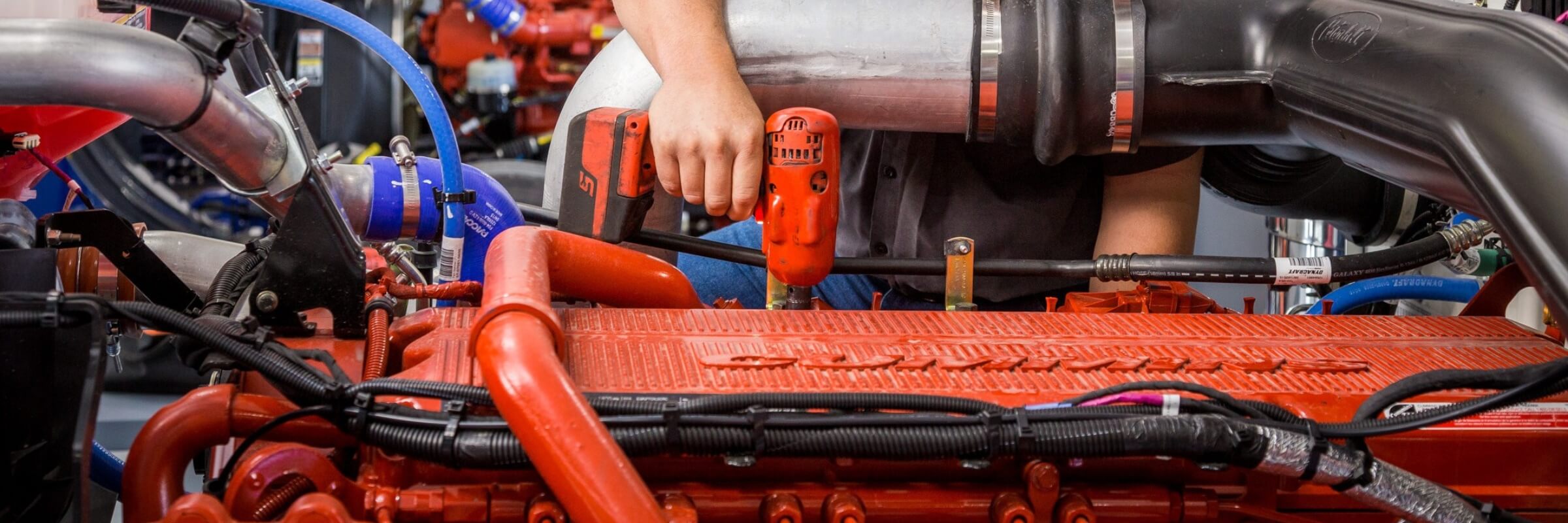
When a technician performs a valve adjustment, they measure that clearance with feeler gauges and bring it back to factory specs. Diesel engines, in particular, need these clearances to be exactly right to maintain compression and fuel efficiency.
If your truck has an overhead valve system, you might hear the term “overhead adjustment.” It's essentially the same procedure, just a different name used in diesel service manuals. A small turn of a wrench at the right moment can prevent major headaches later.
How Valve Lash Affects Engine Performance
When valve lash gets out of range, your engine starts sending subtle warnings. If the gap is too tight, valves can't close completely, causing compression loss and burned valve seats. If it's too loose, the valve train gets noisy and performance drops.
That balance is everything. Proper lash helps each cylinder pull in air efficiently and push exhaust out cleanly. You'll notice smoother acceleration and stronger pulling power. Fuel economy also improves since the combustion cycle stays in sync with the camshaft.
Neglecting valve lash may not blow your engine overnight, but it chips away at performance mile after mile. Eventually, you'll see lower power and higher fuel costs — two things no fleet manager wants.
The Benefits of Regular Valve Adjustments
Valve adjustments might sound like routine maintenance, but they're one of the smartest ways to protect your truck's engine from long-term wear. When clearances are set right, the engine breathes and burns fuel the way it was designed to.
Here's what regular valve adjustments really do for your truck:
- Improve Engine Breathing: Correct lash keeps air flowing freely in and exhaust flowing out, helping your engine run smoother under heavy load.
- Restore Lost Power: Engines with tight or loose valves often feel sluggish. A fresh adjustment brings back throttle response and steady pulling strength.
- Boost Fuel Economy: When combustion is efficient, you use less diesel to cover the same miles — an easy win for fleet operating costs.
- Prevent Costly Damage: Proper clearance protects the valve train from premature wear, which then saves you from having to replace valves or rockers before their time.
- Keep Emissions Cleaner: Accurate timing helps the engine burn fuel completely, which reduces smoke and helps your truck stay EPA-compliant during inspections.
- Extend Overall Lifespan: Regular adjustments, paired with the right maintenance plan, can extend the life of your commercial truck by reducing stress on internal components.
Valve adjustments don't just make the engine sound better. They make it work better. It's a small service that pays off over thousands of miles, keeping your trucks productive and your repair costs predictable.
7 Signs Your Engine Needs a Valve Adjustment
You don't need to be a mechanic to catch the signs of improper valve clearance. Engines often give off clues that something's wrong long before a check engine light appears.
Here are a few telltale signs your engine may need a valve or overhead adjustment:
- Ticking or Tapping Noise: A rhythmic metallic ticking that gets louder as RPMs rise often points to loose valve lash. Even if the sound quiets as the engine warms, it's still worth having it checked out.
- Rough Idling: When valves aren't opening and closing at the right time, air and fuel flow become inconsistent, causing a shaky or uneven idle.
- Hard Starting: Tight valves can lower compression, making cold starts more difficult, especially in diesel engines.
- Loss of Power: If your truck feels sluggish on inclines or acceleration is slower than usual, valve timing could be off just enough to hurt performance.
- Excessive Fuel Consumption: An engine that suddenly burns more fuel without a clear cause may have improper lash affecting combustion efficiency.
- Increased Exhaust Smoke: Blue or white smoke can indicate valves that aren't seating correctly, allowing oil or unburned fuel into the exhaust stream.
- Unusual Engine Vibration: When valve clearances vary between cylinders, the engine runs unevenly and produces noticeable vibration through the cab or frame.
Heavy-duty engines can hide these symptoms until the problem becomes serious. That's why regular inspections matter.
How Often Should You Get a Valve Adjustment?
Manufacturer recommendations vary, but most medium- and heavy-duty diesel engines need a valve adjustment roughly every 100,000 to 150,000 miles. High-mileage trucks that pull heavy loads or run long hours may need an overhead adjustment more frequently. A shorter service interval is also recommended if your engine has been idling excessively or running in dusty conditions.
Having a proper maintenance plan pays off by keeping you ahead of potential wear and aligns every checkup with recommended OEM maintenance schedules. Fleet owners who make valve adjustments part of their preventive strategy see fewer breakdowns and lower operating costs across their vehicles. The small amount of downtime outweighs the cost of a major overhaul any day.
Same-Day Xpress Engine Overhead and Valve Adjustment
When valves are set right, your engine runs smoother, pulls stronger and stays out of the shop longer. It's one of those simple things that pays off every mile. Skip it too long, and you'll feel it in power, fuel and repair bills — the things that really matter when trucks are your livelihood.
At Rush Truck Centers, we make it easy to stay ahead of maintenance. Our Xpress Service program includes same-day overhead and valve adjustments that fit into your schedule without long downtime. Whether you're maintaining a single truck or a multi-state fleet, we've got you covered.
Request a service appointment today and keep your trucks performing like they should: strong, efficient and reliable.
COME ALONG FOR THE RIDE. Sign up to receive email updates with our latest promotions, blog posts and news from Rush Truck Centers.