Back To Blog


Updated: September 8, 2026
Key Takeaways
- Diesel trucks are equipped with aftertreatment systems that include a diesel particulate filter (DPF) and a diesel oxidation catalyst (DOC). The DOC chemically converts harmful gases like carbon monoxide and hydrocarbons into less harmful substances, while the DPF traps and oxidizes particulate matter, significantly reducing pollutants released into the environment.
- On-truck regeneration (passive, active, or parked) burns off soot but doesn’t remove all residue, so regular professional cleaning using air, thermal or aqueous methods is essential to prevent clogs and maintain performance.
- OEM guidelines typically recommend cleaning the DPF every 120,000–200,000 miles (with retrofit filters requiring more frequent cleaning), and anytime the DPF is cleaned, the DOC should be inspected as well.
Did you know that advanced exhaust aftertreatment systems became widespread on U.S. heavy-duty trucks beginning with model year 2007? Diesel engines are highly efficient and powerful, but unfortunately produce emissions containing pollutants such as particulate matter (PM), carbon monoxide, hydrocarbons and nitrogen oxides (NOx). These pollutants can be harmful to both humans and the environment.
To reduce diesel emissions, most modern trucks are equipped with an aftertreatment system that includes a diesel oxidation catalyst (DOC), diesel particulate filter (DPF) and selective catalytic reduction (SCR) system. These components work together to convert or capture pollutants before they leave the truck's exhaust.
Because the DPF collects particulate matter and the DOC can become contaminated over time, these components must be inspected and serviced periodically to prevent performance issues. We've covered everything you need to know about how the DPF and DOC work and how to properly maintain them to extend their lifespan.
What Do the DPF and DOC Do?
The DOC and DPF in an engine's exhaust system work in tandem to prevent harmful diesel PM and gases from escaping into the environment. Together with other aftertreatment components, they reduce emissions from diesel vehicles so that they meet standards set by the Environmental Protection Agency (EPA) and the California Air Resources Board (CARB).
Diesel Oxidation Catalyst
Exhaust is first sent through the DOC, which breaks down harmful pollutants in the exhaust system via a chemical reaction. The exhaust flows through a ceramic honeycomb structure coated with precious metals such as platinum, palladium and rhodium. These precious metals cause a catalytic chemical reaction that converts carbon monoxide and hydrocarbons into carbon dioxide and water.
Exhaust is first sent through the DOC, which breaks down harmful pollutants in the exhaust system through a chemical reaction. The exhaust flows through a ceramic honeycomb structure coated with precious metals such as platinum and palladium. These precious metals cause a catalytic chemical reaction that converts carbon monoxide and hydrocarbons into carbon dioxide and water.
DOCs verified by the EPA and CARB are typically effective at reducing PM by 20–40%, hydrocarbons by 40–75% and carbon monoxide by 10–60%.
Diesel Particulate Filter
The exhaust gases then pass through the DPF, which traps soot and other particulate matter. DPFs are made up of a honeycomb structure with microscopic pores that capture PM while allowing exhaust gases to pass through. The result is cleaner exhaust and reduced emissions.
Verified DPFs are typically effective at reducing emissions of particulate matter by 85–90%, as well as reducing hydrocarbons and carbon monoxide emissions by 70–90%.
Why Do the DPF and DOC Need to Be Cleaned?
Because the DPF traps PM, ash and other debris build up over time and can clog the filter's pores. The precious-metal coating in the DOC can also become contaminated or degraded over time, causing the component to malfunction.
A clogged DPF or malfunctioning DOC can cause engine problems, decreased fuel efficiency, engine derates and higher emissions of harmful pollutants. For this reason, it’s essential to follow the manufacturer's maintenance schedule and clean, exchange or replace the DPF or DOC when necessary to ensure that the system is working properly and prevent issues down the road.
Overall, proper maintenance of both the DPF and DOC can extend the service life of the aftertreatment system and help the engine perform at peak operating power.
On-Truck DPF Regeneration
One way trapped soot is removed from the DPF is through a built-in process called DPF regeneration, or regen for short. DPF regeneration raises the temperature of the filter to oxidize accumulated soot and prevent clogs from forming. Regeneration does not remove noncombustible ash.
The effectiveness and frequency of regeneration depend on the engine, type of DPF, vehicle application, duty cycle and operating conditions. There are three common types of regeneration: passive, active and parked.
Passive Regeneration
Passive regeneration happens naturally during normal vehicle operation without the driver having to initiate the process. It occurs when engine load and operating conditions produce exhaust temperatures high enough to oxidize accumulated soot.
Sustained highway operation and heavier engine loads often create favorable conditions for passive regeneration. Trucks that primarily make short trips, operate in stop-and-go traffic, idle frequently or work in cold weather may not maintain sufficient exhaust temperatures for passive regeneration to occur as effectively.
Active Regeneration
If temperatures aren't high enough for passive regeneration to occur, active regeneration may be required. Active regen is a controlled cleaning process initiated automatically by the vehicle's engine control unit (ECU) when the filter reaches a predetermined soot level.
Depending on the engine and aftertreatment design, the ECU may introduce additional fuel through late-cylinder injection or an exhaust-mounted fuel doser. This creates heat within the aftertreatment system and raises the DPF temperature to approximately 550–650°C, or 1,000–1,200°F, so accumulated soot can be oxidized.
Parked Regeneration
Unlike passive and active regeneration, which generally do not require driver action, parked regeneration requires the driver or a technician to initiate the process while the vehicle is stationary. If the DPF becomes excessively clogged and cannot complete an automatic regeneration, a DPF warning light or vehicle message may appear.
When a parked regeneration is required, the vehicle must be parked outdoors in a safe location away from people, flammable materials and combustible surfaces. The parking brake is applied and the regeneration process increases engine speed and exhaust temperature to oxidize accumulated soot.
A parked regeneration often takes approximately 30–45 minutes, although the duration varies based on the engine and amount of soot in the DPF. The driver should remain with the vehicle and follow all manufacturer safety instructions throughout the process.
Professional DPF and DOC Cleaning Methods
Unfortunately, on-truck regeneration does not remove noncombustible ash and other contaminants from the DPF. The filter must be removed from the truck periodically for professional cleaning or exchanged or replaced according to the manufacturer's guidelines.
Anytime the DPF is removed for service, the DOC should also be removed, inspected and cleaned, if necessary. Some types of DOC contamination or damage cannot be corrected through cleaning and may require replacement.
It is not recommended to try to clean the DPF or DOC on your own, as it could damage the components and require them to be replaced. Professional technicians can inspect and clean DPFs and DOCs using specialized equipment while checking airflow, restriction and component condition against applicable OEM specifications.
The approved cleaning method depends on the engine, filter and manufacturer. Truck repair shops commonly use three types of cleaning processes: air, thermal and aqueous.
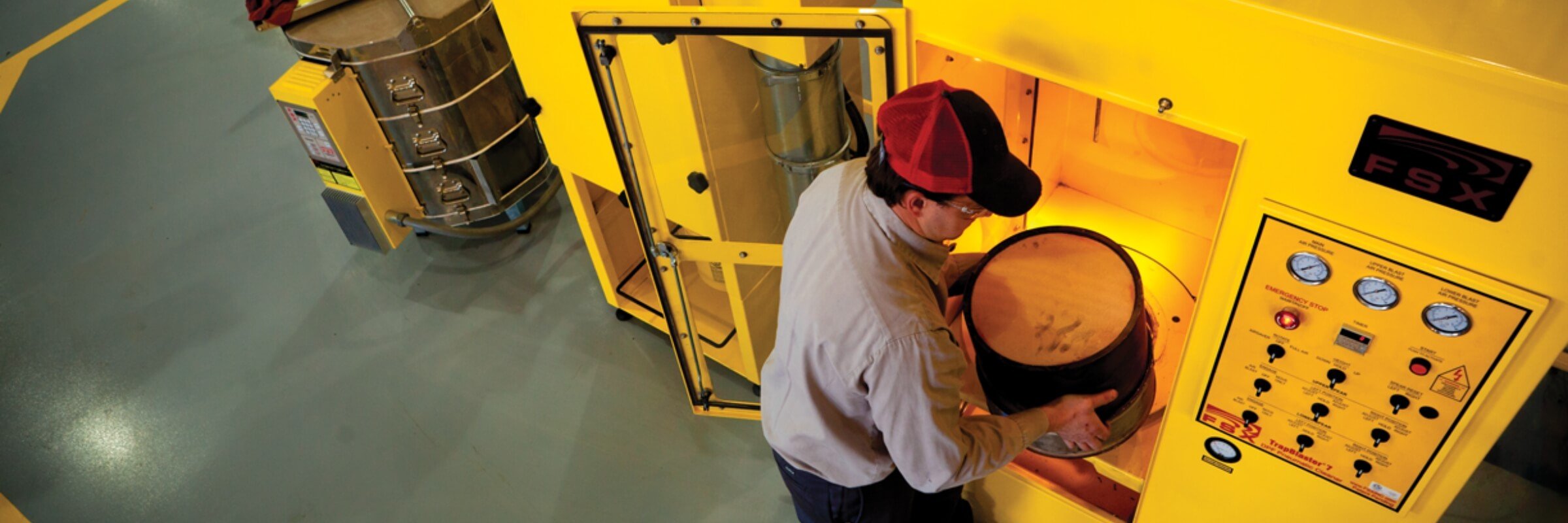
- Pneumatic Air Cleaning – In some cases, the DPF can be cleaned using air alone. This process uses controlled compressed air and a collection system to loosen and remove ash and other contaminants from the filter.
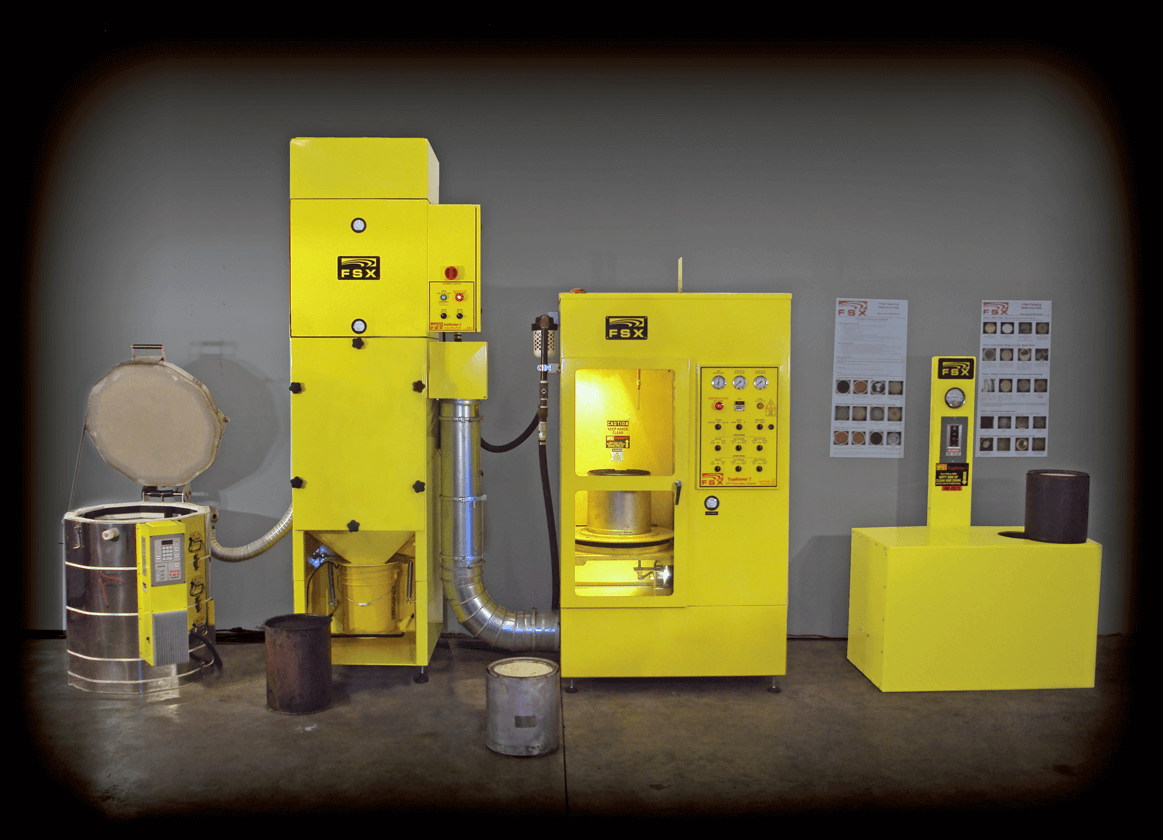
- Thermal Cleaning – Air cleaning may not be enough on its own when significant soot or hydrocarbons remain in the filter. This process involves heating the DPF to high temperatures, typically 500–600°C or 932–1,112°F, in a specialized oven to oxidize combustible material. Pneumatic cleaning is then used to remove the remaining ash. Thermal cleaning typically takes about a day, including heating and cool-down time.
- Aqueous Cleaning – This process uses water and an approved cleaning solution to remove ash and other contaminants from the pores of the DPF. The filter is then thoroughly dried and tested before it is reinstalled. Turnaround time varies based on the filter, cleaning equipment and required drying process.
How Often Should Your DPF and DOC Be Professionally Cleaned?
Delaying required service can increase the chance that the filter will need to be replaced. Most diesel vehicles have an onboard filter service monitor that evaluates the filter's condition and can help guide your cleaning schedule. Most engine OEMs recommend maintenance and cleaning of your DPF every 120,000 to 200,000 miles, or every six to 12 months. Retrofit DPFs may require more frequent cleaning every 60,000 miles. However, it's always best to follow the maintenance schedule for your specific engine, vehicle and aftertreatment system rather than relying on a universal mileage or calendar interval.
How often a DPF and DOC need to be serviced also depends on the vocation and application in which the truck is used. Trucks used primarily for highway driving and heavier-load operation may achieve passive regeneration more consistently and go longer before needing service than trucks used for applications that require frequent starting and stopping, extended idling or off-road work.
If you notice an increase in regeneration frequency, warning lights, a decline in engine performance, reduced fuel efficiency or an engine derate, the DPF or another part of the aftertreatment system may require attention. These symptoms can have several causes, so the system should be properly diagnosed rather than assuming the DPF only needs to be cleaned.
How Long Do DPFs and DOCs Last?
A well-maintained, properly cleaned or new DPF and DOC should remain effective for generally five to 10 years, or 10,000 or more hours of operation. Engine problems involving fuel control, injectors, turbochargers, coolant leaks or excessive oil consumption may quickly deteriorate performance and lead to the need for replacement parts sooner. In fact, 80% of DOC and DPF failures are premature due to engine-related issues.
Since DOCs do not have moving parts, they can have a long service life when the engine and aftertreatment system are properly maintained. However, thermal damage, chemical contamination or physical damage may eventually require replacement.
When the time does come to replace a DPF, they generally cost anywhere from $5,000 to $15,000 or more, depending on the engine size, aftertreatment configuration, component availability, labor requirements and whether an individual filter or an integrated assembly must be replaced. DOC replacement generally costs between $600 and $2,000.
Same-Day DPF and DOC Cleaning at Rush Truck Centers
Rush Truck Centers offers same-day DPF and DOC cleaning services at our dealerships nationwide. Our factory-trained technicians use state-of-the-art TrapBurner thermal cleaning and pneumatic air cleaning technology to return your DPF and DOC to peak operating condition.
Submit a service request or contact your closest Rush Truck Centers location to schedule an appointment for your next cleaning.
Request Service Find a Location
COME ALONG FOR THE RIDE. Sign up to receive email updates with our latest promotions, blog posts and news from Rush Truck Centers.